How to Reduce Hair Fall: Causes, Practical Tips & a Better Hair Routine
How to Reduce Hair Fall: Causes, Practical Tips & a Better Hair Routine
Finding a little hair in your brush or shower drain is completely normal — everyone sheds hair every day. But when it starts to feel like more than usual, more than you remember, more than seems reasonable, the question that follows is a practical one: how to reduce hair fall, and more importantly, what's actually causing it in the first place.
There isn't a single universal fix here, and any guide that promises one isn't being fully honest with you. The right approach depends heavily on what's actually driving your shedding — genetics, stress, nutrition, hormones, or something else entirely. This guide walks through how to tell normal shedding from excessive hair fall, the most common underlying causes, and a set of practical, realistic steps you can take depending on what's going on with your hair.
Table of Contents
How Much Hair Shedding Is Normal?
Before addressing hair fall, it helps to understand what "normal" actually looks like, since not all hair loss is a problem.
The Hair Growth Cycle
Every strand of hair moves through three phases:
- Anagen (growth phase): The active growth stage, lasting two to seven years. Most of your hair — typically 85 to 90 percent — is in this phase at any given time.
- Catagen (transition phase): A short phase lasting a few weeks, during which the follicle begins to shrink in preparation for rest.
- Telogen (resting/shedding phase): The final phase, lasting a few months, after which the hair sheds to make room for new growth.
Normal Shedding
Losing somewhere between 50 and 100 hairs per day is generally considered within the normal range, since a small percentage of your hair is always cycling through the shedding phase at any given time.
When Shedding Becomes Concerning
Hair fall becomes worth paying closer attention to when:
- It clearly exceeds your usual amount over a sustained period, not just a single day
- It's accompanied by visibly reduced density, a widening part, or increased scalp visibility
- It appears in patches rather than being spread evenly across the scalp
- It's paired with scalp symptoms like redness, itching, or pain
Understanding this baseline is the first step in figuring out whether you're dealing with typical daily shedding or something that warrants a closer look.
Why Is Your Hair Falling Out?
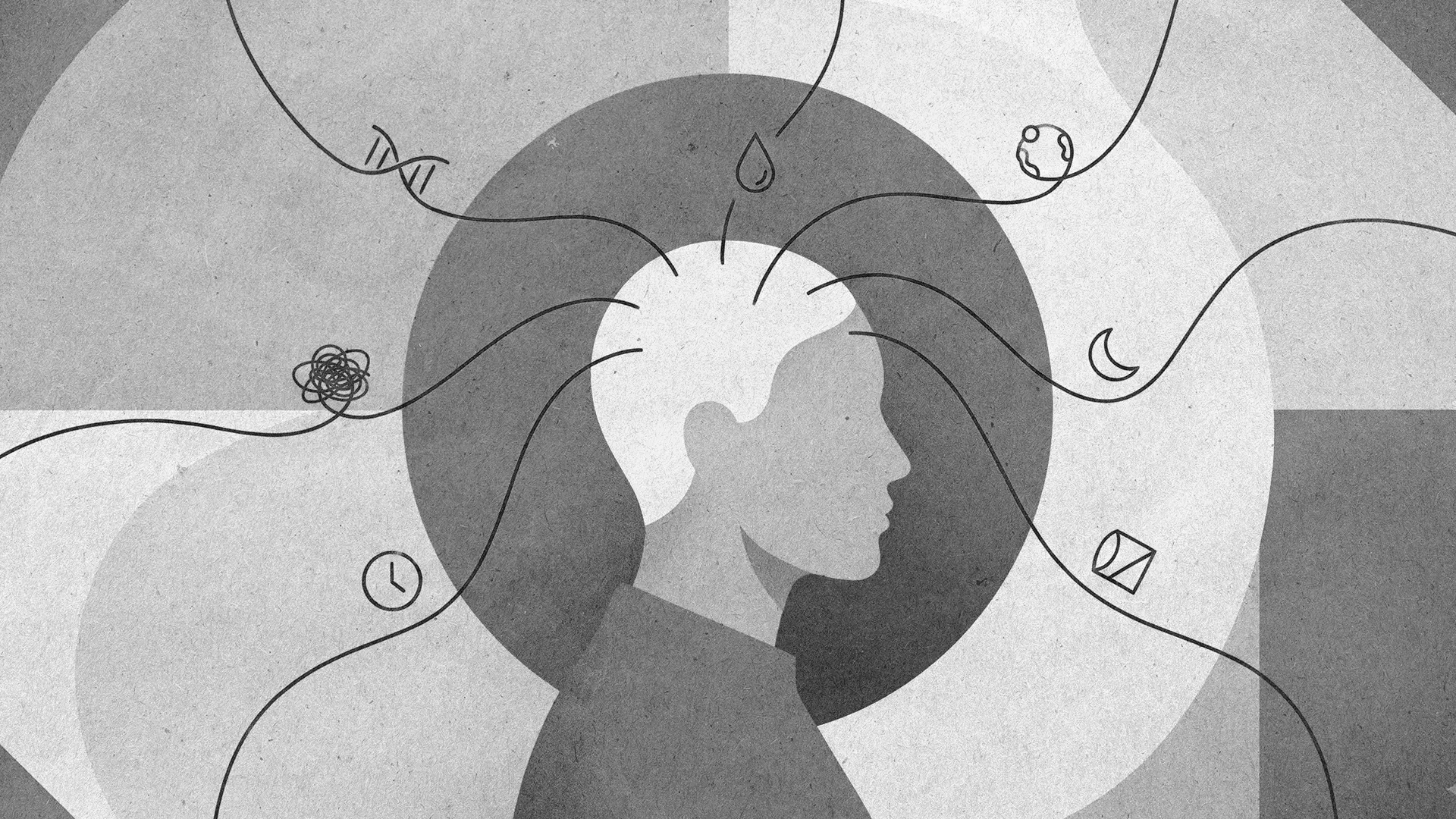
Excessive hair fall rarely comes from just one source. Here's a rundown of the most common contributing causes.
Genetics
The most common long-term cause of progressive hair thinning is androgenetic alopecia, a genetically inherited condition. It tends to follow a predictable pattern — hairline and crown thinning in men, and diffuse thinning with a widening part in women.
DHT
Closely tied to genetics, the hormone DHT (dihydrotestosterone) is associated with a process called follicle miniaturization in people who are genetically sensitive to it. Our guide on DHT and hair loss breaks this mechanism down in detail.
Stress
Significant physical or emotional stress can trigger a temporary condition that increases shedding across the whole scalp, typically appearing a few months after the stressful event.
Telogen Effluvium
This is the clinical term for the stress-related shedding pattern above — a disproportionate number of hairs pushed into the resting phase at once, resulting in a noticeable increase in daily hair fall a few months later. For a deep dive into this mechanism, see How Stress Actually Affects Your Hair.
Postpartum Changes
The rapid drop in estrogen after childbirth is a well-documented trigger for a specific, hormonally driven form of telogen effluvium. Shedding typically peaks around three to four months postpartum and generally resolves within about a year. Learn more in our guide on postpartum hair loss.
Nutritional Deficiencies
Low levels of iron, protein, vitamin D, or zinc are all associated with increased hair shedding, particularly in cases where the deficiency has gone unaddressed for some time.
Hormonal Changes
Beyond pregnancy and postpartum shifts, conditions like PCOS, menopause, and thyroid disorders can all disrupt the hair growth cycle and contribute to increased shedding.
Scalp Conditions
Inflammation, dandruff, seborrheic dermatitis, and product buildup can all interfere with a healthy follicle environment, potentially compounding hair fall from other causes.
Medical Conditions
Certain autoimmune conditions and chronic illnesses can present with hair shedding as one of several symptoms, making a broader medical evaluation worthwhile in some cases.
Medications
Some medications list hair shedding as a known side effect. If you've recently started a new medication and noticed increased hair fall, it's worth discussing with your prescribing doctor rather than stopping the medication on your own.
Hair Damage
Chronic heat styling, chemical treatments, and harsh handling can weaken the hair shaft, leading to breakage that can look similar to increased shedding, even without any change at the follicle level.
Traction
Repeated tension from tight ponytails, braids, or extensions can cause a specific type of hair loss called traction alopecia, typically affecting the hairline and areas of sustained pull.
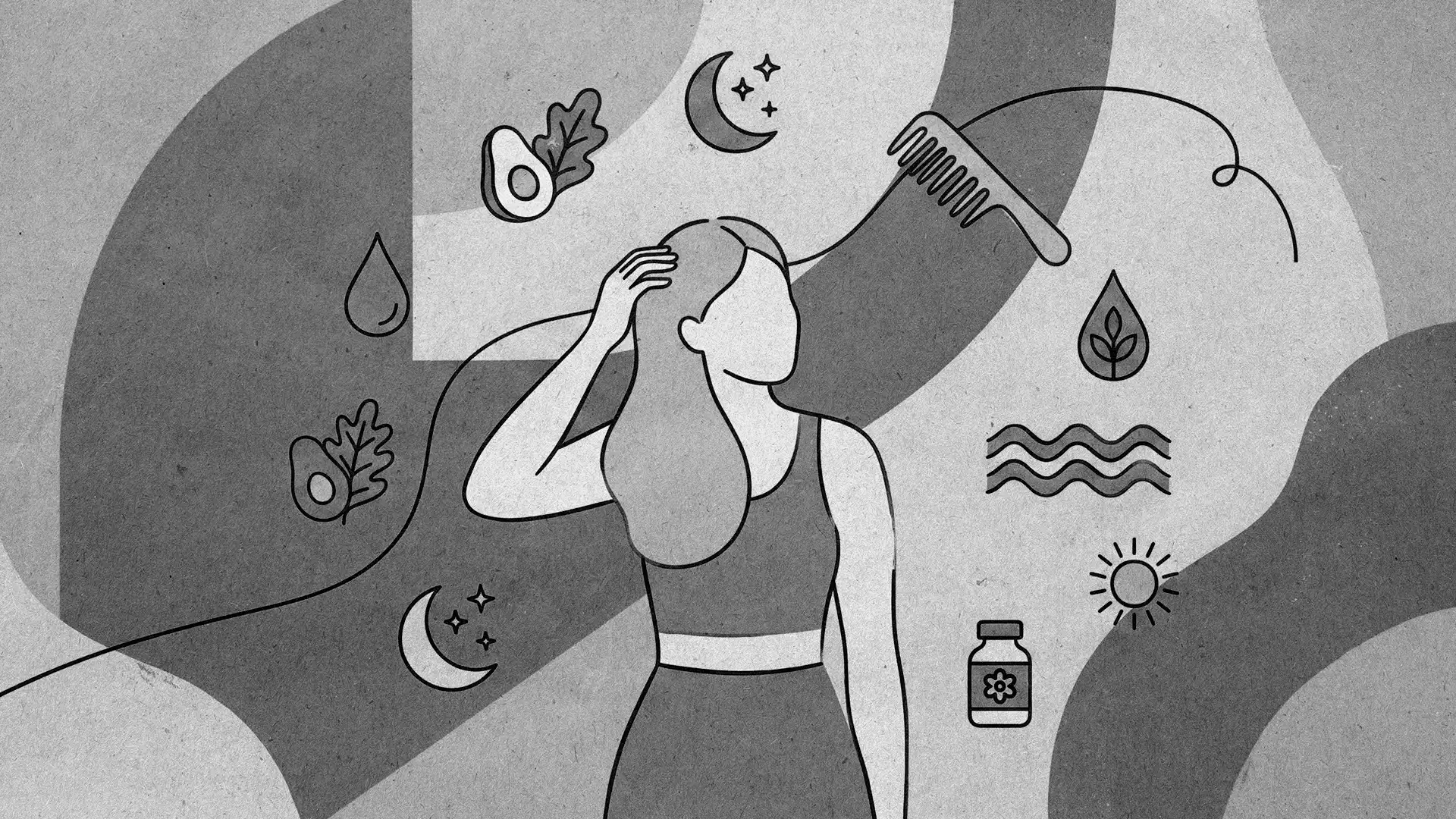
12 Practical Ways to Reduce Excessive Hair Shedding
1. Identify the Underlying Cause
Before trying any specific remedy, it's worth taking stock of when your shedding started, what else was happening in your life around that time, and whether it's diffuse or patchy. This context often points toward the most likely cause and the most useful next step.
2. Eat Enough Protein
Since hair is built almost entirely from a protein called keratin, consistently low protein intake is one of the more directly correctable contributors to hair shedding.
3. Maintain Adequate Nutrition
Beyond protein, ensuring adequate iron, vitamin D, and zinc intake supports the follicle's overall capacity to function well and complete its normal growth cycle.
4. Manage Stress
Because chronic stress can trigger and prolong telogen effluvium, building in regular stress-reduction practices — exercise, therapy, or simple daily breathing exercises — can genuinely help address one of the more common causes of hair fall.
5. Prioritize Sleep
Consistent, quality sleep supports the body's hormone regulation, which plays an important role in maintaining a steady hair growth cycle.
6. Maintain Scalp Hygiene
A clean, balanced scalp free of excess buildup or inflammation supports the healthiest possible environment for hair to grow, regardless of the underlying cause.
7. Avoid Excessive Heat
Frequent high-heat styling weakens the hair shaft over time, increasing breakage that can compound the appearance of hair fall from other causes.
8. Avoid Tight Hairstyles
Rotating away from consistently tight ponytails, braids, or extensions reduces unnecessary mechanical stress on the hairline and scalp.
9. Be Gentle While Brushing
Using a wide-tooth comb and starting from the ends rather than pulling through from the root reduces unnecessary breakage, especially on wet hair.
10. Choose Suitable Hair Products
Selecting a shampoo and scalp product formulated with your specific scalp type and needs in mind — rather than one chosen for fragrance or marketing alone — supports a better foundation for hair health.
11. Maintain a Consistent Routine
Because hair grows in multi-month cycles, any routine needs to be followed consistently for several months before you can fairly judge whether it's helping.
12. Seek Professional Advice When Necessary
If shedding is severe, sudden, patchy, or accompanied by other symptoms, a dermatologist can offer a far more precise diagnosis and treatment plan than self-directed trial and error.
Hair Washing and Hair Fall
Does Washing Hair Cause Hair Loss?
No — washing itself doesn't cause hair loss. Hairs that are already in the shedding (telogen) phase are simply more likely to be dislodged during washing, since the physical action of massaging and rinsing loosens hairs that were already ready to fall out.
Why Does It Look Like More Hair Falls Out During Showering?
If you don't wash daily, hairs that would have shed gradually throughout the days in between tend to accumulate and release all at once during your next wash, which can make the amount seem more dramatic than it actually is on a daily average basis.
How Often Should Someone Wash Their Hair?
There's no single universal answer here — it depends on your scalp type, activity level, and personal preference. Oilier scalps often benefit from more frequent washing, while drier scalps may do better with less frequent washing. What matters more than a specific frequency is consistency and using a gentle, appropriate formula for your scalp type.
Hair Fall in the Shower
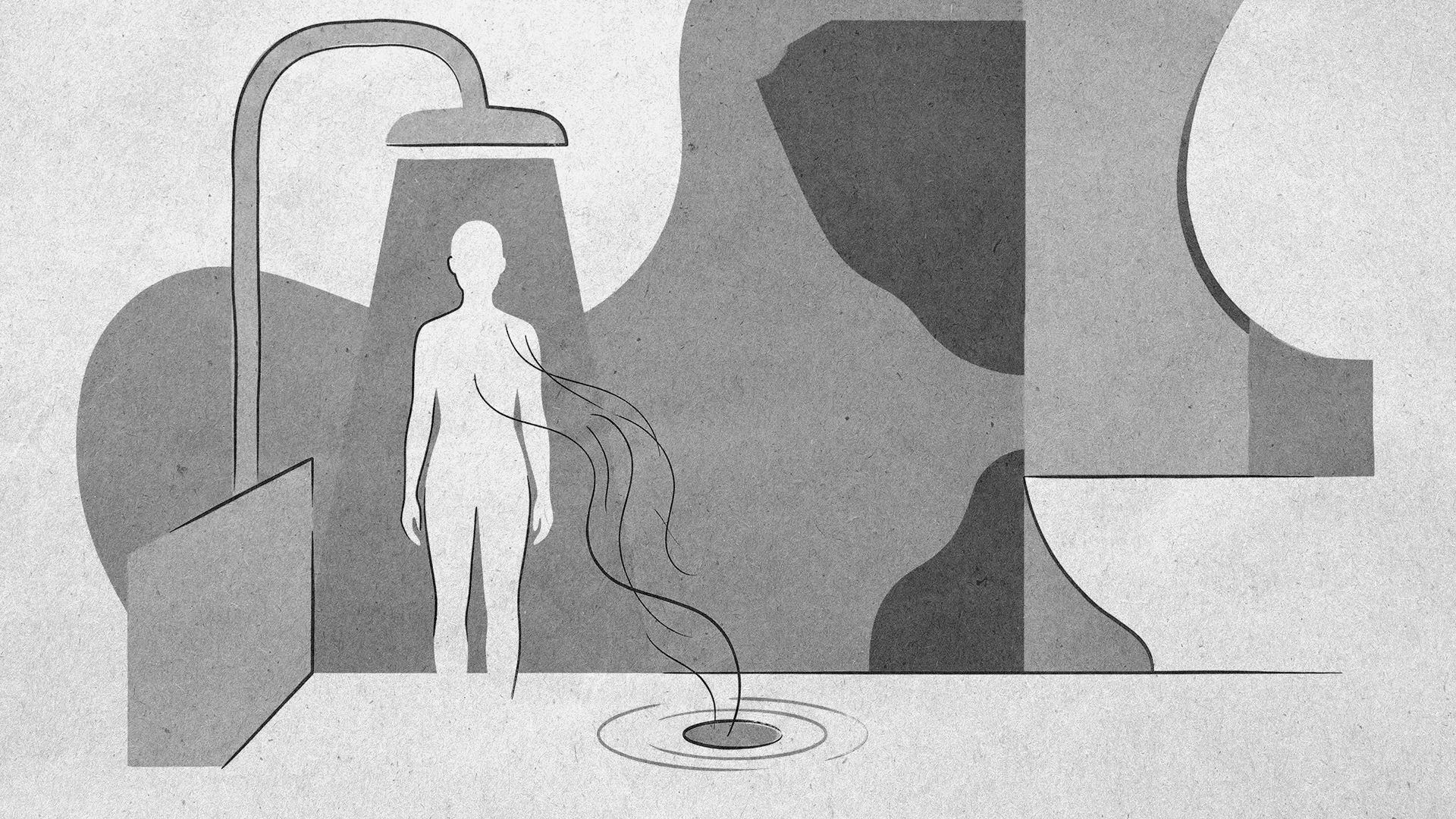
It's common to feel alarmed seeing a noticeable amount of hair in the shower drain, but this is often simply the accumulated shedding from days since your last wash, released all at once by the physical action of washing. To get a more accurate sense of whether your shedding is truly excessive, it helps to track patterns over time — noting whether the amount seems consistently higher than what feels normal for you, rather than judging based on a single shower.
Nutrition and Hair Health
Protein
The structural building block of hair itself; consistently low intake is directly linked to increased shedding.
Iron
One of the most commonly identified nutritional contributors to hair thinning, particularly relevant for women with heavy menstrual cycles.
Vitamin D
Plays a role in the hair follicle cycling process; deficiency has been associated with several types of hair loss.
Zinc
Involved in tissue growth and repair, including hair follicle function.
Biotin
Supports keratin production, though true deficiency is relatively uncommon in people with a generally balanced diet.
Omega-3 Fatty Acids
May help support scalp health by reducing inflammation, indirectly supporting a healthier growing environment.
An important note on supplementation: It's not advisable to automatically start supplementing every nutrient listed here without first identifying an actual deficiency. Excess supplementation of certain nutrients (like zinc or vitamin D) carries its own risks, and bloodwork through a doctor is the most reliable way to confirm whether a specific deficiency is contributing to your hair fall.
Stress and Hair Shedding
As covered earlier, significant stress can trigger telogen effluvium — a temporary condition where an unusually large number of hairs are pushed into the resting phase at once.
The Delay Between Trigger and Shedding
One of the most confusing aspects of stress-related shedding is the delay: visible hair fall typically appears two to three months after the triggering event, which often makes the connection hard to recognize at first.
Recovery
For most people, this type of shedding is temporary. Once the underlying stressor resolves, the hair cycle generally begins to normalize, though visible improvement can take six months or longer to become fully apparent. For a deeper explanation of what's happening biologically, see How Stress Actually Affects Your Hair.
Hair Fall vs. Hair Loss: A Clear Comparison
In short: all hair loss involves some form of hair fall, but not all hair fall represents genuine, lasting hair loss. Understanding which one you're dealing with is central to choosing the right response.
Morning Hair Routine
- Gently detangle hair with a wide-tooth comb, starting from the ends
- Prioritize a protein-rich breakfast to support keratin production
- Avoid pulling hair into tight styles right after waking, especially if still damp
- Protect the scalp from prolonged sun exposure if hair is visibly thinner
Night Hair Routine
- Cleanse gently on wash days, focusing shampoo on the scalp rather than just the lengths
- Apply a targeted scalp serum to a clean scalp
- Spend a few minutes on gentle scalp massage to support circulation and unwind
- Use a silk or satin pillowcase to reduce friction-related breakage overnight
Weekly Hair Routine
- Use a clarifying wash occasionally if you use styling products regularly, to prevent buildup
- Do a gentle scalp check for irritation, flaking, or excess oil
- Track shedding patterns and any new changes in density or texture
- Reassess styling habits, avoiding any single tight hairstyle worn daily
For a more complete daily and monthly framework, see our full hair growth routine guide.
Ingredients That May Support Scalp and Hair Health
Saw Palmetto
Studied for its potential to mildly inhibit the 5-alpha reductase enzyme, with early research suggesting modest support for some individuals with genetic hair thinning. Evidence remains more limited than for prescription treatments.
Caffeine
Some research suggests topical caffeine may help support hair follicle activity, though most supporting studies are relatively small.
Peptides
Certain peptides are studied for their potential role in supporting scalp condition and hair strand structure, typically used alongside other active ingredients.
Biotin
Supports keratin production, most clearly beneficial for those with an underlying deficiency rather than as a universal booster.
Niacinamide
Supports scalp barrier function, helping maintain a calmer, more balanced scalp environment.
These ingredients are supportive additions to a broader routine, not standalone solutions — and their effectiveness varies depending on the underlying cause of your hair fall. For a full, evidence-graded breakdown, see the best ingredients for hair regrowth.
How Scalvea Fits Into the Routine
Because hair fall has so many possible underlying causes, no single product can promise to be the universal fix — and it's important to be upfront about that. What a consistent, scalp-focused routine can do is support the healthiest possible conditions for your hair, regardless of which specific cause is driving your shedding.
The Scalvea Hair Growth Shampoo is formulated to gently cleanse the scalp, helping manage the buildup, oil, and residue that can interfere with a healthy follicle environment. The Scalvea Hair Growth Serum is designed to be applied to a clean scalp as a targeted step, with ingredients selected to support scalp health as part of a consistent, long-term routine.
Neither product is presented as a miracle fix, and neither replaces the work of identifying and addressing your specific underlying cause. Used consistently, alongside good nutrition, stress management, and gentle hair handling, they're designed to support your scalp through whatever process your hair is going through.
Mistakes That Can Make Hair Problems Worse
- Assuming all hair fall has the same cause and using a one-size-fits-all remedy
- Panicking over a single dramatic shower and assuming it reflects your daily average
- Switching products too frequently to fairly judge whether anything is working
- Ignoring nutrition while focusing exclusively on topical treatments
- Supplementing nutrients without confirming an actual deficiency
- Overwashing or underwashing inconsistently for your specific scalp type
- Using high heat styling tools without any protection
- Wearing the same tight hairstyle every single day
- Ignoring persistent scalp itching, flaking, or irritation
- Expecting visible results within a few weeks rather than months
- Not tracking shedding patterns, making it impossible to judge real change over time
- Delaying a dermatologist visit despite sudden, severe, or patchy hair fall
- Assuming stress-related shedding will resolve without addressing the actual stressor
- Brushing wet hair aggressively instead of gently detangling
- Discontinuing a new medication on your own without consulting a doctor, even if it may be contributing to shedding
- Combining multiple new active products at once, making it hard to identify what's helping or irritating
Myths vs. Facts About Hair Fall
When to See a Dermatologist
While much hair fall is temporary and manageable through lifestyle and scalp care, certain signs warrant a professional evaluation:
- Sudden, severe shedding that feels disproportionate to your usual amount
- Patchy hair loss rather than diffuse, even shedding
- Scalp redness, pain, burning, or visible scaling
- Hair fall accompanied by other symptoms like fatigue, weight changes, or irregular periods
- No improvement after 6 to 12 months of consistent, appropriate care
- Hair fall that began after starting a new medication
A dermatologist can run bloodwork, examine your scalp closely, and offer a far more precise diagnosis than self-directed guesswork alone.
30-Day Hair Care Checklist
- ✅ Days 1–7: Track your current shedding pattern and note any recent life changes, illnesses, or stressors
- ✅ Days 1–7: Start a consistent, gentle cleansing routine suited to your scalp type
- ✅ Days 8–14: Assess your typical diet for protein, iron, and overall nutritional balance
- ✅ Days 8–14: Introduce a scalp-focused serum into your evening routine
- ✅ Days 15–21: Reduce or eliminate any daily tight hairstyles
- ✅ Days 15–21: Prioritize consistent sleep and basic stress-reduction habits
- ✅ Days 22–30: Take a comparison photo of your part or hairline from the same angle as when you started
- ✅ Days 22–30: Reassess whether shedding feels stable, improved, or unchanged, and consider bloodwork or a dermatologist visit if concerns persist
Key Takeaways
- Losing 50 to 100 hairs per day is considered normal; hair fall becomes worth investigating when it clearly exceeds this or comes with other signs like patchiness or scalp irritation.
- Hair fall can stem from many different causes — genetics, stress, nutrition, hormones, scalp health, or medications — and the right approach depends on identifying which one applies to you.
- Practical steps like adequate protein intake, stress management, gentle hair handling, and a consistent scalp care routine can meaningfully support healthier hair, regardless of the underlying cause.
- Washing hair doesn't cause hair loss; it simply releases hairs that were already ready to shed.
- Supplementation should be guided by an actual identified deficiency, not assumption.
- Sudden, severe, or patchy hair fall — or hair fall accompanied by other symptoms — warrants a dermatologist visit.
- Products like the Scalvea Hair Growth Shampoo and Scalvea Hair Growth Serum can support a healthy scalp environment as part of a broader, cause-specific routine, without claiming to be a universal fix.
Frequently Asked Questions
1. How can I reduce hair fall naturally? Prioritizing adequate protein and nutrient intake, managing stress, sleeping consistently, handling hair gently, and maintaining a clean, balanced scalp are all practical, evidence-supported ways to support reduced shedding.
2. What is the main cause of excessive hair fall? There isn't one single main cause — genetics, stress, nutritional deficiencies, hormonal changes, and scalp conditions can all contribute, often overlapping.
3. How much hair fall per day is considered normal? Losing between 50 and 100 hairs per day is generally considered within the normal range as part of the natural hair growth cycle.
4. Does washing hair every day cause hair fall? No, washing doesn't cause additional hair loss; it simply releases hairs that were already in the shedding phase of the growth cycle.
5. Can stress really cause significant hair fall? Yes, significant stress can trigger a temporary condition called telogen effluvium, causing noticeably increased shedding roughly two to three months after the stressful event.
6. What vitamins help reduce hair fall? Iron, vitamin D, and zinc are commonly linked to hair shedding when deficient, though supplementation is most effective when guided by confirmed bloodwork rather than assumption.
7. How long does it take to see results after starting a hair fall routine? Because hair grows in multi-month cycles, most routines require at least 3 to 6 months of consistency before a fair assessment can be made.
8. Is hair fall in the shower normal? Yes, seeing a noticeable amount of hair during washing is often simply the accumulated shedding from days since your last wash being released all at once.
9. Can postpartum hair fall be reduced? While the underlying hormonal process can't be fully prevented, gentle hair care and good nutrition can support healthy hair through the recovery period; see our guide on postpartum hair loss for more detail.
10. Does DHT cause hair fall in both men and women? Yes, DHT sensitivity can contribute to hair thinning in both men and women, though it typically presents differently between the two.
11. Can diet alone stop hair fall? Diet can address nutritional causes of shedding, but it's unlikely to fully address genetic, hormonal, or other more complex underlying causes on its own.
12. What's the difference between hair fall and hair loss? Hair fall refers to hair being released from the follicle, which can be normal or temporarily excessive, while hair loss is a broader term that can include reduced density or patterned, longer-term thinning.
13. Should I use a hair growth shampoo if I'm experiencing hair fall? A gentle, scalp-focused shampoo can support a healthier scalp environment as part of a broader routine, though it's not a standalone solution for every cause of hair fall.
14. Can tight hairstyles cause hair fall? Yes, repeated tension from tight ponytails, braids, or extensions can lead to traction alopecia, a form of hair loss caused by mechanical stress on the follicle.
15. Is it normal for hair fall to increase during certain seasons? Some people report seasonal variation in shedding, though individual experiences vary and this isn't universally documented as a strong, predictable pattern.
16. When should I see a doctor about hair fall? It's worth seeing a doctor if shedding is sudden, severe, patchy, accompanied by scalp irritation or other symptoms, or hasn't improved after 6 to 12 months of consistent care.
17. Can certain medications cause hair fall? Yes, some medications list hair shedding as a known side effect; if you suspect this, discuss it with your prescribing doctor rather than stopping the medication independently.
18. Does brushing hair too much cause hair fall? Aggressive or excessive brushing, particularly on wet hair, can increase breakage, which can look similar to increased shedding even without additional follicle-level hair loss.
19. Can hair fall be a sign of a thyroid problem? Yes, both underactive and overactive thyroid conditions can disrupt the hair growth cycle and contribute to increased shedding.
20. Is it possible to fully stop hair fall? Some hair fall is a completely normal, ongoing part of the hair growth cycle and can't be "stopped" entirely; the more realistic goal is reducing excessive shedding caused by identifiable, addressable factors.
This article is for informational purposes and is not a substitute for professional medical advice. If you're concerned about excessive hair fall, consult a dermatologist for a proper evaluation.