Why Is My Hair Falling Out in the Shower? What's Normal and What's Not
Why Is My Hair Falling Out in the Shower? What's Normal and What's Not
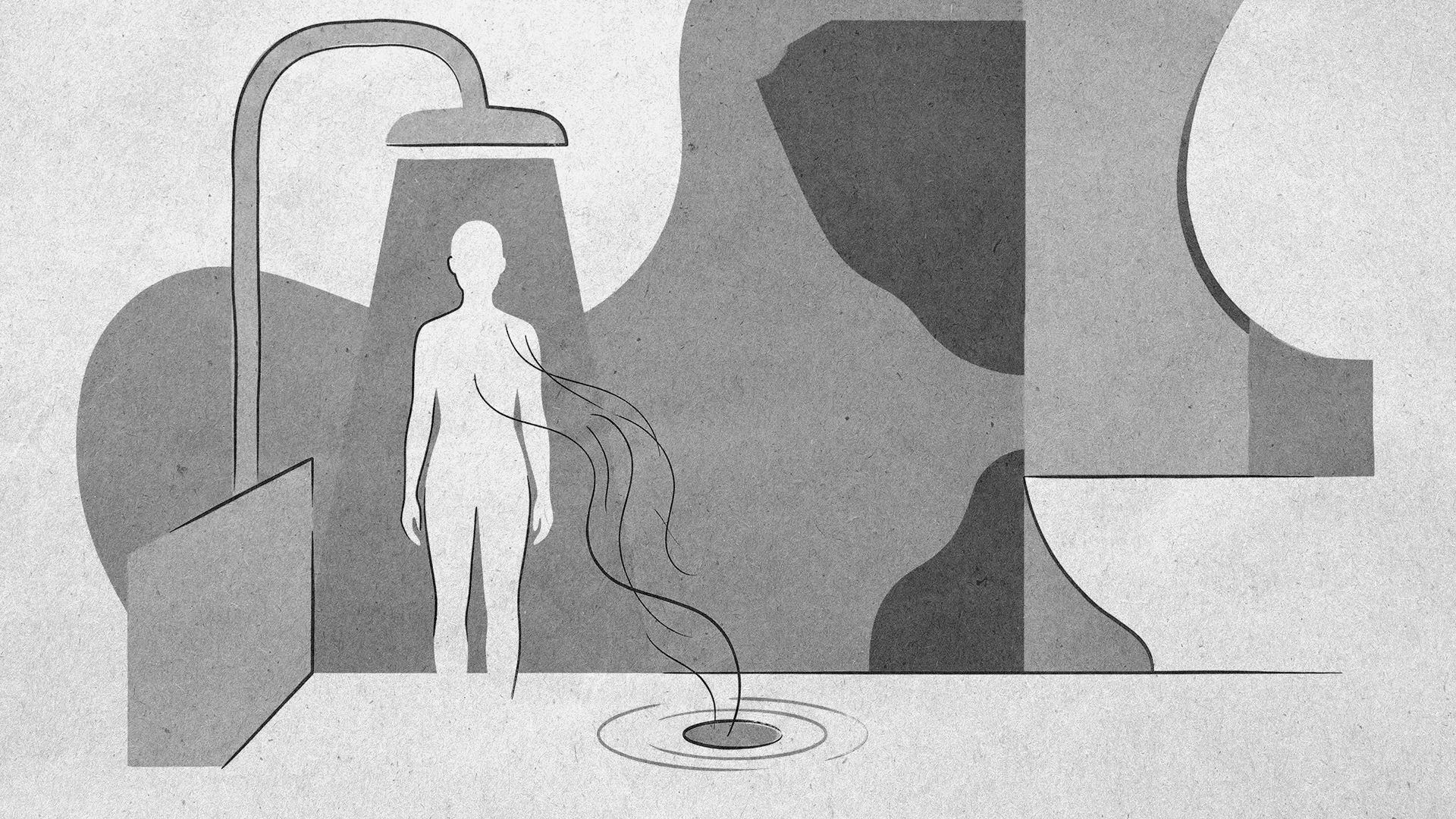
You're standing in the shower, running your fingers through wet hair, and suddenly there's a small clump of strands in your hand. It's one of those moments that can genuinely rattle you — and if hair falling out in the shower has become something you notice regularly, it's completely understandable to wonder whether it's normal or a sign that something is wrong.
The honest answer is: it depends. Some amount of hair loss during washing is completely expected, and showering itself doesn't cause hair loss — but there are also specific patterns worth paying attention to. This guide walks through exactly why hair tends to come out more noticeably in the shower, how to tell normal shedding from something worth investigating further, and what to do either way.
Table of Contents
Is It Normal to Lose Hair in the Shower?
Yes, in most cases, losing some hair while showering is a completely normal part of your daily hair shedding cycle — not a sign that anything is wrong.
Understanding Normal Shedding
Every hair on your scalp moves through a natural growth cycle, ending in a resting and shedding phase before a new hair begins growing in its place. At any given time, a small percentage of your hair is in this shedding phase, ready to fall out with minimal disturbance.
Why Showering Makes Shedding More Noticeable
Showering doesn't cause additional hair loss beyond what would naturally happen anyway — it simply concentrates and reveals shedding that was already going to occur. Water, lathering, and the physical motion of washing dislodge hairs that were already loosely attached and ready to fall, making the process far more visible than the gradual, spread-out shedding that happens throughout a normal day.
How Much Hair Shedding Is Normal?
It's common to see figures like "50 to 100 hairs per day" cited as the range for normal shedding. While this is a reasonable general guideline, it's worth treating it as a rough reference point rather than a precise diagnostic threshold — normal shedding varies from person to person based on total hair volume, hair length, and individual hair cycle patterns.
Rather than fixating on an exact number, it's often more useful to pay attention to:
- Whether the amount feels meaningfully different from what's typical for you
- Whether shedding is trending upward over weeks or months, rather than a single unusual day
- Whether it's accompanied by other signs, like visible thinning or scalp changes
This pattern-based approach tends to be more reliable than trying to count strands precisely, which is difficult to do consistently anyway.
Why Does More Hair Come Out During Washing?
Several factors combine to make hair loss during washing look more dramatic than your actual daily shedding rate.
Hair Already in the Shedding Phase
Hairs that have already completed their growth cycle and entered the resting/shedding phase are loosely attached and ready to detach with minimal force — washing simply provides that force.
Water
Wet hair strands can cling together, meaning that when a few shed hairs come loose, they may appear as a more noticeable clump rather than being spread out and less visible as they would be if they fell out gradually throughout a dry day.
Shampooing
The physical lathering motion involved in shampooing directly agitates the hair and scalp, dislodging hairs that were already in the shedding phase.
Finger Manipulation
Running your fingers through your hair repeatedly during washing increases the chances of noticing and pulling loose any hairs that were already ready to shed.
Hair Length
Longer hair makes shed strands more visually apparent, since a single shed hair is more noticeable and takes up more visual space than the same hair would if it were short.
Washing Frequency
If you don't wash daily, hairs that would have shed gradually across those days accumulate and are released all at once during your next wash, making the amount seem more concentrated and dramatic than your actual daily average shedding rate.
8 Reasons You May Be Seeing More Hair in the Shower
While some shower shedding is normal, a genuine increase can stem from several underlying causes.
1. Stress
Significant physical or emotional stress can trigger increased shedding, typically becoming noticeable a couple of months after the stressful event itself. For more detail on this mechanism, see How Stress Actually Affects Your Hair.
2. Telogen Effluvium
This is the clinical term for the type of stress-related (and other trigger-related) shedding described above — a disproportionate number of hairs pushed into the resting phase at the same time, leading to a temporary but noticeable increase in shedding.
3. Postpartum Shedding
The rapid hormonal shift after childbirth is a well-documented trigger for increased shedding, typically peaking around three to four months postpartum before gradually resolving.
4. Genetics
Progressive genetic hair thinning (androgenetic alopecia) can contribute to gradually increasing shedding over time, alongside changes in hair density and thickness.
5. DHT-Related Thinning
In genetically predisposed individuals, the hormone DHT is associated with follicle miniaturization, which can contribute to both increased shedding and progressively finer hair over time.
6. Nutritional Issues
Deficiencies in iron, protein, vitamin D, or zinc are all associated with increased hair shedding, often noticeable during washing before becoming apparent in other ways.
7. Scalp Conditions
Inflammation, dandruff, or product buildup on the scalp can interfere with a healthy follicle environment, potentially contributing to increased shedding during washing.
8. Hair Damage and Traction
Weakened hair from heat styling, chemical treatments, or tight hairstyles can break more easily during washing, which can look similar to increased shedding even though it reflects breakage rather than hair being released from the follicle itself.
For a full breakdown of these underlying causes, see our comprehensive guides on why hair thins and how to reduce hair fall.
Hair Shedding vs. Hair Breakage: A Detailed Comparison
Signs Your Shower Hair Fall May Be Excessive
While the occasional heavier shedding day is nothing to worry about, a few patterns are worth paying closer attention to:
- A sudden increase compared to your typical baseline, rather than a single unusual day
- Visible thinning noticeable in overall hair volume or ponytail circumference
- A widening part that seems to be gradually expanding over weeks or months
- A receding hairline or increased temple thinning
- Bald patches, rather than shedding that's evenly spread across the scalp
- Persistent shedding that continues at an elevated level for several weeks or months, rather than settling back down
- Scalp symptoms like redness, itching, burning, or visible scaling alongside the increased shedding
If several of these apply to you, it's a reasonable signal to look more closely at potential underlying causes, and possibly consult a dermatologist.
Does Shampoo Cause Hair Loss?
There's no strong scientific evidence that shampoo itself — including common ingredients like sulfates — directly causes hair loss at the follicle level. Shampoo works primarily at the surface, cleansing hair and scalp skin, rather than affecting the follicle beneath the surface where hair growth is actually regulated.
That said, a shampoo that's poorly suited to your specific scalp type could contribute to irritation or dryness, which in turn could create a less optimal environment for hair, even if it's not a direct cause of hair loss itself. Choosing a gentle, appropriately formulated shampoo for your scalp type is a reasonable precaution, even though shampoo choice alone is unlikely to be the primary driver of any significant hair loss you're experiencing.
Can Washing Your Hair Every Day Cause Hair Loss?
No — washing frequency itself doesn't cause hair loss. It's worth distinguishing between a few related but different concepts here:
- Hair shedding happens according to the natural growth cycle, regardless of how often you wash your hair
- Hair breakage can be influenced by how roughly hair is handled during washing, but this relates to handling technique, not wash frequency itself
- Dryness can result from overwashing with a harsh formula, particularly for those with naturally dry hair or scalp
- Scalp irritation can occur with certain formulas or overly frequent washing for sensitive scalp types, which could indirectly affect scalp comfort and condition
The bottom line: how often you wash your hair is more about finding what works for your specific scalp type than about directly preventing or causing hair loss.
How to Wash Thinning Hair Properly
Before Washing
Gently detangle hair with a wide-tooth comb before wetting it, since wet hair is more fragile and prone to breakage.
Shampoo
Apply shampoo primarily to the scalp rather than just the lengths, using your fingertips (not nails) to gently work it in.
Scalp Massage
Spend a minute or two massaging the scalp in small, gentle circular motions, which may help support circulation while cleansing.
Rinsing
Rinse thoroughly with lukewarm, not hot, water to avoid unnecessary scalp dryness and to ensure no product residue is left behind.
Conditioning
Focus conditioner primarily on the mid-lengths and ends, rather than the scalp, to avoid weighing down roots or contributing to buildup.
Drying
Gently squeeze out excess water with a soft towel rather than vigorously rubbing, and allow hair to air dry partially when possible to reduce heat exposure.
Brushing
Wait until hair is at least partially dry, or use a wide-tooth comb on damp hair, working from the ends upward to minimize breakage.
Best Hair Care Routine for Excessive Shedding
Morning
- Gently detangle hair, avoiding aggressive brushing at the root
- Prioritize a protein-rich breakfast to support keratin production
- Avoid tight hairstyles, especially on damp hair
Night
- Cleanse gently on wash days, following the washing steps outlined above
- Apply a scalp-focused serum to a clean scalp
- Spend a few minutes on gentle scalp massage before bed
Weekly
- Track shedding patterns to notice whether they're stable, improving, or worsening over time
- Use a clarifying wash occasionally if you use styling products regularly
- Reassess styling habits, avoiding repeated tight hairstyles
For a more complete daily and monthly framework, see our full hair growth routine guide.
Ingredients to Look For
Saw Palmetto
Studied for its potential to mildly support a healthier scalp environment in the context of DHT-related thinning, though evidence remains more limited than for prescription treatments. It cannot diagnose or resolve every cause of shower shedding.
Caffeine
Some research suggests topical caffeine may support hair follicle activity, though it's a supportive addition rather than a guaranteed solution for excessive shedding.
Biotin
Supports keratin production, most clearly beneficial for those with an actual biotin deficiency rather than as a universal fix for shedding.
Peptides
Certain peptides are studied for their supportive role in scalp condition and hair strand structure, generally used alongside other ingredients rather than as a standalone treatment.
Niacinamide
Supports scalp barrier function, helping maintain a calmer, more balanced scalp environment, which can indirectly support healthier-looking hair.
Each of these ingredients can offer supportive benefit as part of a broader routine, but none of them can diagnose the specific cause of your shedding or guarantee it will stop.
How Scalvea Fits Into a Scalp-Focused Routine
If you're noticing more hair in the shower than usual, the most useful first step is understanding what's actually behind it — something no shampoo or serum can diagnose on its own. What a consistent, gentle scalp routine can do is support the healthiest possible conditions for your hair while you work through identifying and addressing the underlying cause.
The Scalvea Hair Growth Shampoo is formulated to gently cleanse the scalp without unnecessary stripping, supporting a cleaner, more balanced environment during washing. The Scalvea Hair Growth Serum is designed to be applied to a clean scalp as part of a consistent evening routine, with ingredients selected to support scalp health over time.
Neither product is intended to diagnose the cause of your shedding, nor is either presented as a guaranteed cure. They're formulated to support a healthy scalp foundation as part of a broader, realistic routine — one that also includes good nutrition, gentle hair handling, and, where appropriate, professional evaluation.
When to See a Dermatologist
It's worth scheduling an evaluation if:
- Shower shedding has clearly increased and stayed elevated for several weeks or longer
- You're noticing visible thinning, a widening part, or a receding hairline alongside the increased shedding
- Hair is falling out in patches rather than diffusely
- Your scalp shows signs of redness, pain, burning, or scaling
- The increased shedding coincides with other symptoms like fatigue, weight changes, or irregular periods
- You've recently started a new medication and suspect it may be contributing
A dermatologist can offer bloodwork, a scalp examination, and a far more precise diagnosis than self-observation alone.
Common Shower Hair Fall Myths
Quick Checklist: "Is My Shower Shedding Normal?"
- ✅ The amount feels similar to what you've noticed in the past, rather than a clear increase
- ✅ Your overall hair volume and ponytail circumference feel stable over the past few months
- ✅ There's no widening part, receding hairline, or patchy areas
- ✅ Your scalp feels comfortable, without redness, itching, or scaling
- ✅ You haven't experienced a recent major stressor, illness, or significant life change
- ✅ Shedding hasn't been elevated for more than a few weeks at a time
If most of these apply, your shower shedding is likely within a normal range. If several don't apply, it may be worth tracking more closely or consulting a dermatologist.
Key Takeaways
- Losing some hair in the shower is a normal part of the natural hair growth cycle, and showering itself doesn't cause additional hair loss.
- Water, lathering, finger manipulation, and washing frequency all make normal shedding appear more concentrated and dramatic than it actually is on a daily basis.
- A genuine increase in shedding can stem from stress, hormonal changes, genetics, nutritional deficiencies, scalp conditions, or hair damage.
- Distinguishing hair shedding (from the root, with a bulb) from hair breakage (snapped along the shaft) helps clarify what's actually happening.
- Warning signs like a widening part, receding hairline, patchy loss, or scalp symptoms suggest it's worth a dermatologist's evaluation.
- Gentle washing technique and a scalp-focused routine can support healthier hair, even though they can't address every possible underlying cause on their own.
- Products like the Scalvea Hair Growth Shampoo and Scalvea Hair Growth Serum are designed to support scalp health as part of a broader routine, without diagnosing or guaranteeing a cure for hair shedding.
Frequently Asked Questions
1. Why is my hair falling out so much in the shower? Some hair loss during washing is normal, since water and the physical action of shampooing dislodge hairs that were already in the shedding phase of the natural growth cycle.
2. Is it normal to lose a lot of hair when washing it? Yes, in most cases — washing simply reveals and concentrates shedding that would have happened gradually throughout the day anyway.
3. How many hairs falling out in the shower is too many? Rather than a precise number, it's more useful to look at whether the amount has clearly increased compared to your own typical baseline, along with other signs like thinning or scalp changes.
4. Does washing your hair every day cause hair loss? No, washing frequency doesn't cause hair loss; it may simply make you more aware of shedding that was already occurring as part of the normal hair cycle.
5. Why does hair look like it's falling out in clumps when wet? Wet hair strands can cling together, making a normal amount of individually shed hairs appear as a more noticeable clump.
6. Can stress cause increased hair fall in the shower? Yes, significant stress can trigger a temporary condition called telogen effluvium, leading to noticeably increased shedding, often a couple of months after the stressful event.
7. What's the difference between hair shedding and hair breakage? Shedding involves a full strand coming out from the root, typically with a small bulb visible at the end, while breakage involves the hair snapping somewhere along the shaft, without a root bulb.
8. Does shampoo cause hair loss? There's no strong scientific evidence that shampoo, including sulfates, directly causes hair loss at the follicle level, since it acts primarily on the surface of the hair and scalp.
9. How can I tell if my shower hair loss is excessive? Signs like a sudden increase compared to your usual baseline, visible thinning, a widening part, or scalp irritation suggest it may be worth investigating further.
10. Can postpartum hormones cause more hair loss in the shower? Yes, the hormonal shift after childbirth is a well-documented cause of increased shedding, typically peaking around three to four months postpartum.
11. Should I be worried if I see a few strands of hair every time I shower? A few strands during every shower is generally normal and consistent with typical daily shedding rates.
12. How often should I wash my hair if I'm experiencing hair loss? There's no single universal frequency — it depends on your scalp type, though gentle, consistent washing suited to your specific needs is generally more helpful than either overwashing or avoiding washing altogether.
13. Can nutritional deficiencies cause more hair to fall out during washing? Yes, deficiencies in iron, protein, vitamin D, or zinc are associated with increased shedding, which may become more noticeable during washing.
14. Is it normal for long hair to look like it's falling out more than short hair? Yes, longer strands are simply more visually noticeable when shed, even if the actual number of hairs lost is similar to someone with shorter hair.
15. Can a new shampoo cause more hair to fall out? A shampoo poorly suited to your scalp type could contribute to irritation, but it's unlikely to be a direct cause of significant hair loss on its own.
16. What does it mean if I see a white bulb at the end of shed hairs? A visible white bulb typically indicates the hair has completed its natural growth cycle and shed from the root, which is a normal part of the hair cycle rather than a sign of breakage.
17. Can tight hairstyles cause more hair to fall out during washing? Weakened hair from tight hairstyles (traction alopecia) can be more prone to breakage during washing, which can look similar to increased shedding.
18. Should I see a dermatologist if my shower hair loss doesn't improve? Yes, if increased shedding persists for several weeks to months without improvement, or is accompanied by other concerning signs, a dermatologist can offer a more precise evaluation.
19. Can a hair growth serum stop hair from falling out in the shower? A scalp-focused serum can support a healthier scalp environment as part of a broader routine, but it can't guarantee a stop to shedding without addressing the underlying cause.
20. Is hair loss in the shower worse for people with thinning hair? It can appear more noticeable for those with already-reduced density, since a similar number of shed hairs represents a larger proportion of overall hair volume.
This article is for informational purposes and is not a substitute for professional medical advice. If you're concerned about the amount of hair you're losing, consult a dermatologist for a proper evaluation.