Why Is My Hair Thinning? 7 Real Causes You Should Know
Why Is My Hair Thinning? 7 Real Causes You Should Know
You notice it in small moments. A few more strands on your pillow in the morning. A little more hair circling the shower drain than you remember. A part that looks slightly wider in photos than it did last year. None of it feels dramatic on its own — but together, it adds up to a quiet, nagging question: is my hair actually thinning?
If you're asking that question, you're not overreacting, and you're far from alone. Hair thinning is one of the most common concerns people bring to dermatologists, and it rarely has a single, simple explanation. Understanding the real causes of hair thinning is the first step toward figuring out what's happening to your hair — and what, if anything, you can do about it.
This guide breaks down the seven most common, evidence-backed reasons hair thins over time, in men and women alike. We'll also cover how to spot the difference between normal shedding and a genuine problem, when it's worth seeing a dermatologist, and how a consistent scalp-care routine can support healthier-looking hair going forward.
Table of Contents
What Is Hair Thinning?
Before diagnosing the cause, it helps to understand what's actually happening on your scalp — because "hair thinning," "hair shedding," and "hair loss" are often used interchangeably, even though they describe different things.
Hair Thinning vs. Hair Loss
Hair thinning refers to a gradual reduction in hair density and individual strand thickness. You still have hair across your scalp, but each strand may be finer, and there's simply less of it covering the same area. It tends to happen slowly, over months or years.
Hair loss, on the other hand, can refer to more noticeable or patchy loss — bald spots, receding hairlines, or larger clumps of hair falling out. Hair thinning is often an early stage of a process that, left unaddressed, can eventually lead to more visible hair loss.
Hair Shedding vs. Hair Thinning
It's normal to shed hair. Most people lose somewhere between 50 and 100 hairs a day as part of the natural hair growth cycle. This is hair shedding, and it's not a cause for concern by itself.
Hair thinning becomes a concern when shedding consistently outpaces regrowth — meaning the hair that falls out isn't being replaced at the same rate or with the same thickness. Over time, this imbalance is what creates a visibly thinner appearance.
Understanding the Hair Growth Cycle
Every strand of hair on your head moves through three distinct phases:
- Anagen (growth phase): This is the active growth stage, and it can last anywhere from two to seven years. The longer a hair stays in anagen, the longer it grows. Most of the hair on a healthy scalp — usually around 85–90% — is in this phase at any given time.
- Catagen (transition phase): A short transitional phase lasting a few weeks, during which the hair follicle shrinks and growth slows down.
- Telogen (resting/shedding phase): The final phase, lasting a few months, where the hair rests before eventually shedding to make room for a new strand to begin the cycle again.
When something disrupts this cycle — pushing too many hairs into the telogen phase too soon, or shrinking follicles so new hairs grow in finer — the result is what we experience as thinning.
With that foundation in place, let's look at the seven real, research-supported causes behind it.
The 7 Real Causes of Hair Thinning
1. Genetics and DHT (Androgenetic Alopecia)
The single most common cause of hair thinning in both men and women is androgenetic alopecia, often simply called genetic or hereditary hair loss.
At the center of this process is a hormone called DHT (dihydrotestosterone), which is derived from testosterone. In people who are genetically predisposed, hair follicles are more sensitive to DHT. Over time, exposure to DHT is associated with a process called follicle miniaturization, where each affected follicle produces progressively thinner, shorter, and less pigmented hairs — until, in some cases, it stops producing visible hair altogether.
In men, this typically shows up as a receding hairline and thinning at the crown, following a fairly predictable pattern.
In women, androgenetic alopecia (sometimes called female pattern hair loss) usually looks different — a widening part and diffuse thinning across the top of the scalp, rather than a receding hairline.
Who is affected: This type of thinning has a strong hereditary component and can come from either side of the family. It can begin as early as the late teens or twenties, though it becomes more common with age.
Signs to watch for:
- A gradually widening part line
- A receding or changing hairline
- Visibly thinner ponytail diameter
- Increased scalp visibility under bright light
Because this cause is rooted in genetics and hormone sensitivity, it tends to be progressive, which is why identifying it early matters.
2. Stress (Telogen Effluvium)
Stress-related hair thinning has a name: telogen effluvium. It happens when a significant physical or emotional stressor pushes an unusually large number of hair follicles into the resting (telogen) phase at the same time. A few months later, all of those hairs shed around the same period, resulting in noticeably increased hair fall.
Common triggers include:
- Physical stress — surgery, significant weight loss, high fever, or a major illness
- Emotional stress — grief, job loss, relationship strain, or prolonged anxiety
- Illness and infection — including recovery from viral infections
- Sleep deprivation — chronic poor sleep can compound the body's stress response
- Crash dieting or sudden nutritional changes
One notable feature of telogen effluvium is the delay: the shedding usually appears two to three months after the triggering event, which is why people are often confused about what caused it — the stressful period itself may already be over.
Recovery timeline: For most people, telogen effluvium is temporary. Once the underlying stressor resolves, hair typically begins to normalize within six to nine months, though full density can take up to a year to return. If shedding continues well beyond this window, it's worth speaking with a dermatologist, since chronic stress or an underlying condition may be involved.
3. Nutritional Deficiencies
Hair follicles are metabolically active tissue, which means they're highly sensitive to what — and how well — you eat. Several nutritional gaps are consistently linked to increased shedding and thinning:
- Protein: Hair is made almost entirely of a protein called keratin. Chronic low protein intake can push follicles into a resting phase prematurely.
- Iron: Low iron (even without full-blown anemia) is one of the most common nutritional causes of hair thinning, particularly in women with heavy menstrual cycles.
- Vitamin D: Vitamin D plays a role in follicle cycling, and deficiency has been associated with several types of hair loss.
- Zinc: Involved in tissue growth and repair, including hair follicle function.
- Biotin: True biotin deficiency is rare, but when present, it can affect hair and nail strength.
- Omega-3 fatty acids: Support scalp health and may help reduce inflammation that can interfere with healthy follicle function.
A varied, balanced diet rich in lean protein, leafy greens, iron-rich foods, and healthy fats generally covers these bases. If you suspect a deficiency, bloodwork through a doctor is the most reliable way to confirm it rather than guessing through supplementation.
4. Hormonal Changes
Hormones are chemical messengers, and hair follicles are remarkably responsive to them. Several hormonal shifts are well-documented contributors to thinning:
- PCOS (Polycystic Ovary Syndrome): Often involves elevated androgens, which can trigger a pattern of thinning similar to androgenetic alopecia.
- Menopause: Declining estrogen levels can shift the hair growth cycle, often coinciding with more noticeable thinning at the crown.
- Pregnancy: Elevated estrogen during pregnancy typically prolongs the anagen (growth) phase, which is why hair often looks fuller during this time.
- Postpartum hair loss: After childbirth, estrogen levels drop rapidly, releasing all those "extended" hairs into the shedding phase at once. This is a form of telogen effluvium and is extremely common — many women notice significant shedding around three to four months postpartum. Learn more about postpartum hair loss.
- Thyroid disorders: Both an underactive (hypothyroid) and overactive (hyperthyroid) thyroid can disrupt the hair cycle, often producing diffuse thinning across the whole scalp.
If your thinning coincides with a major hormonal transition, it's worth mentioning to your doctor — hormonal causes are often identifiable through simple blood tests. Curious about the DHT connection specifically? Read our deep dive on DHT and hair loss.
5. Poor Scalp Health
It's easy to focus entirely on the hair itself and forget that every strand grows out of skin — and like any skin, the scalp can become inflamed, imbalanced, or unhealthy in ways that directly affect hair growth.
Key scalp issues linked to thinning include:
- Inflammation: Chronic low-grade inflammation around the follicle is associated with disrupted growth cycles and, in some cases, follicle miniaturization.
- Dandruff and seborrheic dermatitis: Flaking, itching, and irritation can create an environment where hair struggles to grow optimally.
- Product buildup: Styling products, dry shampoo, and residue can clog follicles and contribute to scalp irritation over time.
- Excess oil (sebum): An overly oily scalp can trap dirt and buildup close to the follicle opening.
- Scalp microbiome imbalance: The scalp hosts its own ecosystem of bacteria and fungi. When this balance is disrupted, it can contribute to inflammation and flaking that indirectly affects hair health.
A healthy scalp is often described as the "soil" that hair grows from — and just like soil, it needs to be clean, balanced, and well cared for to support strong growth.
6. Harsh Hair Care Practices
Sometimes, the very habits meant to make hair look better are quietly working against it. Cumulative damage from certain hair care practices is a well-recognized contributor to thinning and breakage:
- Heat styling: Frequent use of flat irons, curling irons, and high-heat blow-drying can weaken the hair shaft over time, leading to breakage that mimics thinning.
- Bleaching and chemical treatments: Coloring, relaxing, and perming processes alter the hair's protein structure, making strands more fragile.
- Tight hairstyles: Tight ponytails, braids, buns, and extensions can pull on the follicle repeatedly, leading to a condition called traction alopecia.
- Overwashing or harsh shampoos: Stripping the scalp's natural oils too frequently can disrupt the scalp barrier and contribute to irritation.
- Aggressive brushing or towel-drying: Wet hair is more fragile, and rough handling increases breakage.
The good news is that this category of thinning — caused by external habits rather than internal biology — is often the most preventable simply by adjusting your routine.
7. Aging
Even without any underlying condition, hair naturally changes as we age. Follicles gradually become less active, the anagen (growth) phase shortens, and each new hair strand tends to grow in with a smaller diameter than the one before it.
Over years, this results in:
- Reduced overall hair density
- Finer hair diameter, giving a "softer," less voluminous look
- A longer resting phase relative to growth phase
- Slower regrowth after normal shedding
Age-related thinning is a universal biological process, but its pace and visibility vary widely from person to person — which is why genetics, scalp health, and lifestyle factors continue to matter well into later life.
Why Scalp Health Matters So Much
Across nearly every cause above, one theme keeps reappearing: the condition of your scalp. It's worth understanding why.
Hair follicles sit within the scalp's skin, surrounded by blood vessels, oil glands, and a delicate microbiome. For a follicle to function well, it needs:
- Healthy circulation: Blood flow delivers oxygen and nutrients directly to the follicle, supporting the energy-intensive process of hair growth.
- Low inflammation: Chronic inflammation around the follicle is linked to disrupted growth cycles in conditions ranging from androgenetic alopecia to telogen effluvium.
- Good hygiene: A clean scalp free of excess buildup, oil, and flaking gives follicles a better environment to function in.
- A stable "hair environment": Just like skin elsewhere on the body, the scalp responds to pH balance, hydration, and barrier health.
This is precisely why dermatologists so often emphasize scalp care alongside — not instead of — addressing the root cause of thinning. A healthy scalp doesn't guarantee thick hair, but an unhealthy one makes it considerably harder for hair to thrive.
How to Identify the Cause of Your Hair Thinning
Because the seven causes above can overlap, pinpointing exactly what's driving your thinning is rarely a one-step process. Here's a practical framework to help narrow it down.
Ask yourself these questions:
- Is the thinning gradual and pattern-based (hairline, crown, part-widening), or sudden and all-over?
- Did it start after a specific event — illness, surgery, childbirth, extreme stress, or a new medication?
- Do you have a family history of hair thinning or baldness?
- Have you noticed changes in your periods, energy levels, weight, or skin that might suggest a hormonal shift?
- Has your diet changed recently, or could you be under-eating?
- Is your scalp itchy, flaky, oily, or visibly irritated?
- Have you recently changed your hair care routine, added heat styling, or tried a new chemical treatment?
Signs that warrant a dermatologist visit:
- Sudden, rapid shedding (noticeably more than usual for several weeks)
- Patchy bald spots rather than diffuse thinning
- Scalp redness, pain, burning, or visible scaling
- Thinning accompanied by other symptoms like fatigue, weight changes, or irregular periods
- No improvement after 6–12 months of consistent scalp care and lifestyle adjustments
A dermatologist can run bloodwork to check iron, thyroid function, and vitamin D levels, examine your scalp closely, and in some cases perform a simple pull test or scalp biopsy to confirm the underlying cause. Self-diagnosis has real limits — professional evaluation is the most reliable way to know exactly what you're dealing with.
How to Support Healthier Hair: A Complete Routine
While you can't change your genetics, a large portion of hair health is influenced by daily habits. Here's a practical, sustainable routine to support your scalp and hair over time.
Morning
- Gently massage the scalp for 2–3 minutes to support circulation
- Use a lightweight, non-greasy leave-in product if your hair tends to be dry
- Avoid tying hair into tight styles right after waking, especially if hair is still damp
Evening
- Detangle gently with a wide-tooth comb before bed, starting from the ends
- Consider a silk or satin pillowcase to reduce friction-related breakage
- Avoid sleeping with tight hair ties or clips
Weekly
- Wash with a gentle, scalp-friendly shampoo 2–3 times per week (more or less depending on your scalp type)
- Apply a targeted scalp serum after cleansing, while the scalp is clean and receptive
- Do a deep-conditioning treatment on the lengths of your hair to reduce breakage
Monthly
- Trim split ends every 8–12 weeks to prevent breakage from traveling up the shaft
- Reassess your styling routine — rotate away from any single tight hairstyle worn daily
- Take a step back and photograph your hairline/part from the same angle to track changes objectively over time
Lifestyle Habits That Support Hair Health
- Nutrition: Prioritize protein at each meal, iron-rich foods, and healthy fats. A registered dietitian can help if you suspect a specific gap.
- Stress management: Regular movement, breathing exercises, or therapy can help regulate the body's stress response, which is directly tied to telogen effluvium.
- Sleep: Aim for consistent, quality sleep — the body repairs and regulates hormones most efficiently during deep sleep stages.
- Hydration: Adequate water intake supports overall cellular function, including in the scalp.
- Scalp massage: Beyond the daily quick massage, a slightly longer 5-minute massage a few times a week may help support circulation to the follicles.
None of these habits work as an overnight fix — hair growth is a slow biological process, and any routine needs to be given several months before you can meaningfully evaluate its effect.
Where Scalvea Fits Into Your Routine
Once you understand what's contributing to your hair thinning, the next question is usually: what can actually support the scalp environment day to day?
This is where a consistent, science-backed routine becomes valuable — not as a standalone fix, but as one part of a broader approach that includes diet, stress management, and gentle hair care.
The Scalvea Hair Growth Shampoo is formulated to gently cleanse the scalp while helping remove the buildup and excess oil that can contribute to an unhealthy scalp environment. Used consistently, it's designed to support a cleaner, more balanced scalp — the kind of environment healthy follicles depend on.
The Scalvea Hair Growth Serum is designed to be applied directly to the scalp as a targeted step, formulated with ingredients that research suggests can support circulation and a healthier-looking scalp over time.
Together, these products are meant to complement — not replace — the fundamentals covered in this guide: identifying your underlying cause, supporting your body nutritionally, managing stress, and treating your hair gently. Scalvea does not promise regrowth or a cure for any specific condition; rather, it's built to support the conditions your scalp needs to help your hair look and feel its healthiest. For a step-by-step routine using these products together, see our guide to building a hair growth routine.
Myths vs. Facts About Hair Thinning
Common Mistakes That Can Worsen Hair Thinning
Use this checklist to spot habits that may be quietly working against your hair health:
- ❌ Jumping straight to expensive treatments without identifying the actual cause
- ❌ Overwashing or underwashing the scalp inconsistently
- ❌ Using high heat styling tools without any heat protectant
- ❌ Wearing the same tight hairstyle every single day
- ❌ Ignoring persistent scalp itching, flaking, or redness
- ❌ Crash dieting or cutting out entire food groups without medical guidance
- ❌ Assuming all hair loss is genetic and skipping bloodwork
- ❌ Expecting visible results from any routine within just a few weeks
- ❌ Combining multiple new products at once, making it impossible to know what's helping or irritating
- ❌ Brushing wet hair aggressively instead of gently detangling
- ❌ Ignoring sleep and stress as legitimate contributing factors
- ❌ Delaying a dermatologist visit despite sudden or patchy shedding
Quick Summary Table: Causes of Hair Thinning
Key Takeaways
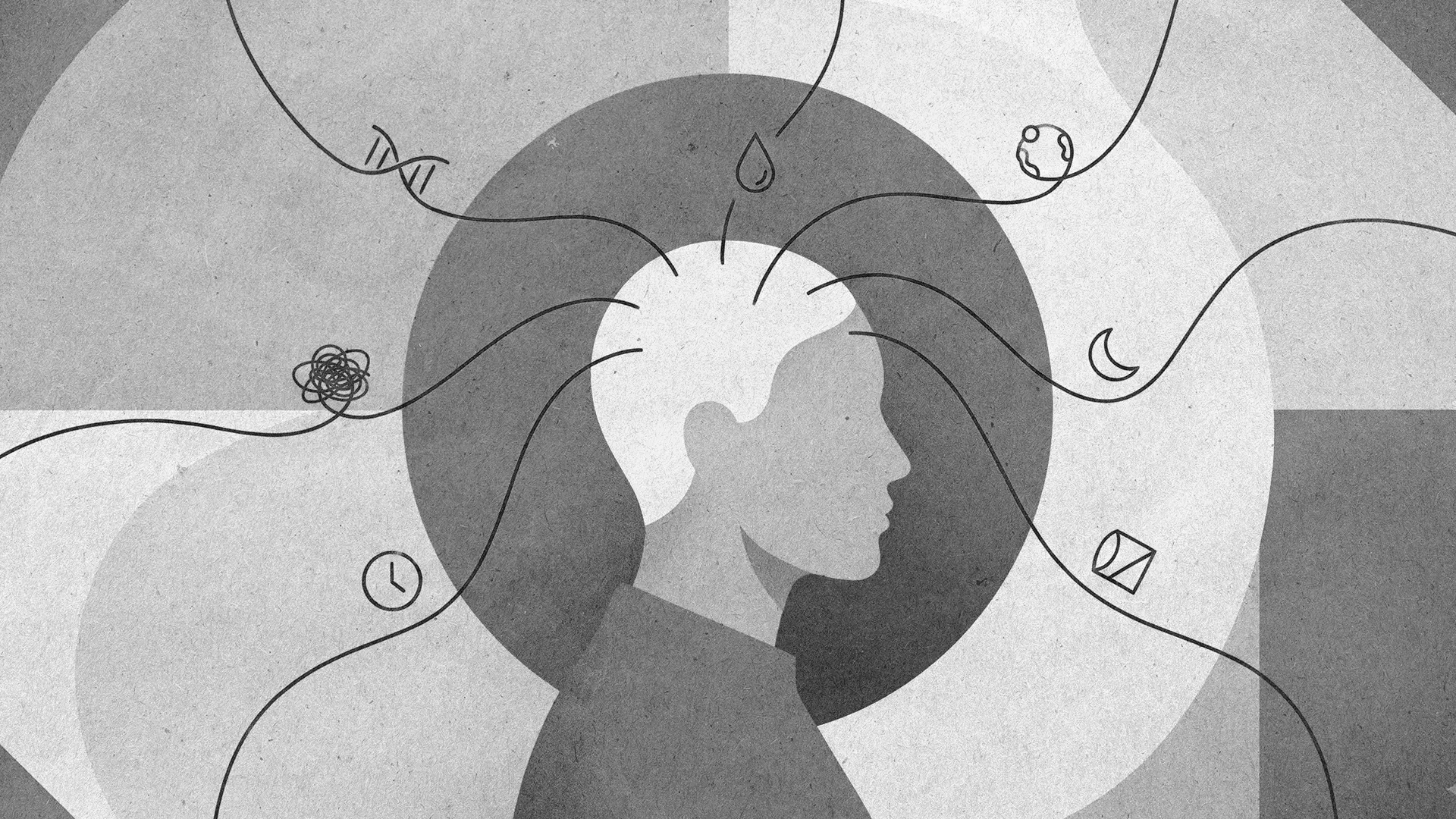
- Hair thinning is rarely caused by just one factor — genetics, stress, nutrition, hormones, scalp health, hair care habits, and aging can all play a role, often together.
- Genetic thinning (androgenetic alopecia) is linked to DHT sensitivity and tends to follow predictable patterns in men and women.
- Stress-related shedding (telogen effluvium) is usually temporary and shows up two to three months after the triggering event.
- A healthy scalp — clean, balanced, and well-circulated — is foundational to supporting healthy follicle function.
- Harsh styling habits are one of the most preventable contributors to thinning.
- Identifying your specific cause, ideally with a dermatologist's input, is far more effective than guessing with random products.
- A consistent, gentle routine — supported by products like the Scalvea Hair Growth Shampoo and Scalvea Hair Growth Serum — can help support a healthier scalp environment over time, alongside good nutrition, sleep, and stress management.
Frequently Asked Questions
1. Why is my hair thinning all of a sudden? Sudden, all-over thinning is often linked to telogen effluvium, a temporary condition triggered by physical or emotional stress, illness, or significant life changes, typically appearing two to three months after the trigger.
2. Is hair thinning normal with age? Yes. Some degree of thinning is a natural part of aging as follicles gradually produce finer strands and spend less time in the active growth phase.
3. Can hair thinning be reversed? It depends on the cause. Thinning linked to stress, nutrition, or scalp health often improves once the underlying issue is addressed, while genetic thinning is generally more about slowing progression and supporting the scalp than full reversal.
4. What deficiency causes hair thinning the most? Iron and protein deficiencies are among the most commonly identified nutritional contributors to hair thinning, particularly in women.
5. Does stress really cause hair loss? Yes. Significant stress can trigger telogen effluvium, pushing more hairs than usual into the shedding phase.
6. How can I tell if I have genetic hair thinning? Look for a gradually receding hairline or crown thinning in men, or a widening part with diffuse thinning in women, especially if there's a family history of hair loss.
7. What is DHT and how does it affect hair? DHT is a hormone derived from testosterone that, in genetically sensitive individuals, is associated with shrinking hair follicles over time, leading to finer, shorter hair growth.
8. Does postpartum hair loss grow back? In most cases, postpartum shedding is a form of telogen effluvium and hair density typically returns to normal within 6 to 12 months after childbirth.
9. Can poor scalp health really cause thinning hair? Yes. Inflammation, buildup, and imbalance in the scalp environment can interfere with normal follicle function and contribute to thinning over time.
10. How much daily hair loss is considered normal? Losing 50 to 100 hairs per day is generally considered within the normal range of shedding.
11. Can tight hairstyles really cause hair thinning? Yes, repeated tension from tight ponytails, braids, or extensions can lead to traction alopecia, a form of thinning caused by mechanical stress on the follicle.
12. Should I see a dermatologist for hair thinning? If shedding is sudden, patchy, or accompanied by scalp irritation or other symptoms, or if it hasn't improved after several months of consistent care, a dermatologist visit is recommended.
13. Can diet alone fix hair thinning? Diet can address nutritional causes of thinning, but it generally can't override genetic or hormonal drivers on its own.
14. Does washing hair too often cause thinning? No, wash frequency doesn't cause thinning; it may simply make you more aware of shedding that was already happening.
15. What's the difference between hair shedding and hair thinning? Shedding is the normal daily loss of hair as part of the growth cycle, while thinning refers to an overall reduction in hair density that occurs when shedding outpaces regrowth.
16. Can hormonal birth control affect hair thinning? Hormonal changes from starting, stopping, or switching birth control can sometimes trigger temporary shedding in sensitive individuals.
17. Is hair thinning in women different from men? Yes. Men typically see a receding hairline and crown thinning, while women more often experience diffuse thinning and a widening part.
18. Can a hair growth serum really help with thinning? A scalp serum can help support a healthier scalp environment as part of a broader routine, though results vary and it works best alongside good nutrition, stress management, and gentle hair care.
19. How long does it take to see improvement in hair thinning? Because hair grows in cycles, most routines need at least three to six months of consistency before any meaningful change becomes visible.
20. Can thyroid problems cause hair thinning? Yes, both underactive and overactive thyroid conditions can disrupt the hair growth cycle and lead to diffuse thinning.
This article is for informational purposes and is not a substitute for professional medical advice. If you're concerned about hair thinning, consult a dermatologist for a proper evaluation.