Postpartum Hair Loss: What's Normal and What's Not?
Postpartum Hair Loss: What's Normal and What's Not?
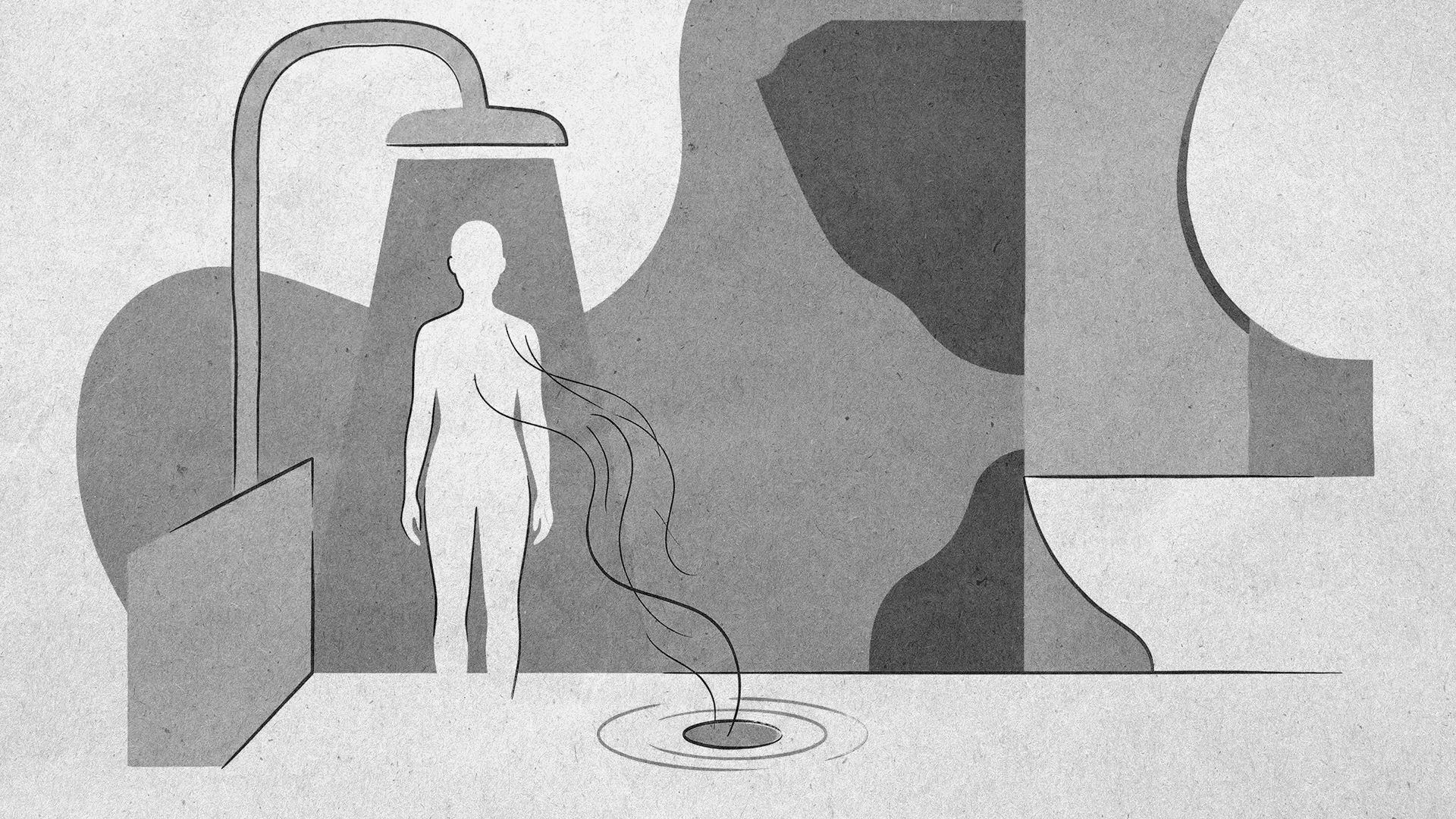
Somewhere around the third or fourth month after giving birth, many new mothers notice something alarming: hair coming out in handfuls in the shower, clogging the brush, scattered across the pillow. If this is happening to you, take a breath — postpartum hair loss is one of the most common, well-documented experiences of the postpartum period, and in most cases, it's temporary.
Still, "common" doesn't mean it's not unsettling, and it doesn't mean every kind of shedding should be brushed off. This guide walks through why postpartum hair loss happens, what a normal timeline looks like, which signs suggest something else might be going on, and how to support your hair through the recovery process.
Table of Contents
What Is Postpartum Hair Loss?
To understand postpartum hair loss, it helps to first understand what happens to your hair during pregnancy itself.
Hair grows in cycles, moving through an active growth phase (anagen), a short transitional phase (catagen), and a resting phase (telogen), after which the hair sheds to make room for new growth. On a typical day, most people shed somewhere between 50 and 100 hairs as part of this normal cycle.
During pregnancy, elevated estrogen levels extend the anagen (growth) phase, meaning fewer hairs than usual enter the resting and shedding phases. This is why many women notice their hair looking fuller, thicker, and shinier throughout pregnancy — it's not that more hair is growing, but that less is falling out.
After delivery, estrogen levels drop sharply. This sudden hormonal shift releases all of those "held onto" hairs into the shedding phase at once, resulting in a period of noticeably increased hair fall. This is postpartum hair loss — and despite how it feels, it's generally a sign of your body's hormones recalibrating, not a sign that something is wrong.
Why Does Hair Fall Increase After Pregnancy?
Estrogen Changes
The rapid drop in estrogen after childbirth is the primary driver of postpartum shedding. Since estrogen had been prolonging the growth phase throughout pregnancy, its sudden decline effectively "catches up" the hair cycle all at once.
The Hair Growth Cycle
Because so many hairs were held in the growth phase simultaneously during pregnancy, they also transition to the resting and shedding phases in a similar window after birth — creating a shedding period that feels much more concentrated and noticeable than typical daily hair loss.
Telogen Effluvium
This process has a clinical name: telogen effluvium, a temporary condition in which a trigger — in this case, the postpartum hormonal shift — pushes an unusually large number of hairs into the shedding phase at once. Telogen effluvium is also seen after other major physical or emotional stressors, but pregnancy and childbirth are among its most common triggers.
Broader Hormonal Changes
Beyond estrogen, the postpartum period involves a broad hormonal recalibration, including shifts in progesterone and, for breastfeeding mothers, prolactin. These changes can influence how quickly hair returns to its regular growth pattern.
When Does Postpartum Hair Loss Start? A Realistic Timeline
Immediately after birth: Hair usually looks similar to how it did throughout pregnancy — full and minimally shedding, as estrogen levels haven't yet fully declined.
Around 1 month postpartum: Some women begin to notice a subtle increase in shedding as hormone levels continue adjusting, though it's often not yet the most noticeable phase.
Around 3 months postpartum: This is typically when shedding becomes most pronounced. Many women describe this as the point where hair loss feels the most alarming — clumps in the shower, visibly thinner ponytails, more hair on brushes and pillows.
Around 6 months postpartum: Shedding generally begins to slow down for most women, though hair may still look and feel thinner than pre-pregnancy levels during this transitional stage.
Around 12 months postpartum: For most women, hair density returns close to its pre-pregnancy baseline by this point, though the exact timeline varies based on individual factors like genetics, nutrition, and overall health.
What's Considered Normal?
Average Shedding During Postpartum Hair Loss
It's common for postpartum shedding to noticeably exceed the typical 50–100 hairs per day, sometimes substantially, during the peak period around month three. This increase, while alarming to witness, generally reflects the "catch-up" shedding of hairs that were held in the growth phase throughout pregnancy — not new hair loss on top of that.
What Normal Recovery Looks Like
- Shedding is heaviest around 3–4 months and gradually tapers off
- Hair loss is diffuse (spread across the scalp) rather than patchy
- New, shorter regrowth hairs ("baby hairs") become visible along the hairline as the cycle resets
- Hair density and thickness gradually improve over the following months
Warning Signs to Watch For
While most postpartum shedding is temporary, a few patterns suggest it may be worth a closer look:
- Shedding that continues heavily well past 12 months without improvement
- Patchy, rather than diffuse, hair loss
- Scalp redness, pain, burning, or visible scaling
- Hair loss accompanied by fatigue, weight changes, or mood changes that could suggest a thyroid issue
- Shedding that seems to worsen rather than gradually improve over time
When Should You See a Dermatologist?
It's worth scheduling an evaluation if you notice:
- Hair loss persisting significantly beyond the one-year mark
- Bald patches rather than generalized thinning
- Scalp symptoms like itching, burning, or visible inflammation
- Signs that may point to postpartum thyroiditis, a thyroid condition that can occur after childbirth and affect hair alongside energy levels and mood
- Significant emotional distress related to hair loss, which a healthcare provider can help address alongside the physical symptoms
A dermatologist can run bloodwork to rule out iron deficiency or thyroid dysfunction, both of which can compound or extend postpartum shedding beyond what's typical.
Common Causes That Can Make Postpartum Hair Loss Worse
Several overlapping factors during the postpartum period can intensify or extend shedding beyond the "typical" hormonal pattern.
Iron Deficiency
Blood loss during delivery, combined with the nutritional demands of recovery and possibly breastfeeding, makes postpartum women particularly susceptible to low iron levels — a well-documented contributor to increased hair shedding.
Stress
The postpartum period brings a significant physical and emotional load. Chronic stress can compound the hormonal shedding already underway, extending or intensifying the process.
Poor Sleep
Interrupted, fragmented sleep — an almost universal postpartum experience — affects hormone regulation throughout the body, which can indirectly influence hair cycling. For more on this connection, see our guide on stress and hair loss.
Thyroid Disorders
Postpartum thyroiditis is a real and relatively common condition that can develop in the months after childbirth, and it can significantly affect hair alongside other symptoms like fatigue and mood changes. This is one of the more important reasons to see a doctor if shedding feels unusually severe or prolonged.
Nutrition
The nutritional demands of recovery, especially while breastfeeding, are significant. Inadequate intake of key nutrients can slow hair's return to its normal growth pattern.
Vitamin Deficiencies
Beyond iron, deficiencies in vitamin D and zinc are also associated with increased shedding and may be worth checking via bloodwork if hair loss feels more severe than expected.
How to Support Healthy Hair Recovery
Healthy, Balanced Diet
Postpartum nutrition needs are higher than usual, particularly for those breastfeeding. Prioritizing nutrient-dense meals supports both recovery and hair health simultaneously.
Protein
Since hair is built from a protein called keratin, consistent protein intake throughout the day supports the structural rebuilding of new hair as the cycle resets.
Iron
Iron-rich foods — red meat, spinach, lentils, and fortified cereals — help address the depletion common after childbirth. Bloodwork can confirm whether supplementation is needed.
Vitamin D
Fatty fish, fortified dairy, and sensible sun exposure support vitamin D levels, which play a role in the hair growth cycle.
Hydration
Adequate water intake, especially while breastfeeding, supports overall recovery and cellular function, including in the scalp.
Gentle Hair Care
Postpartum hair is often more fragile. Gentle detangling, minimal heat styling, and softer hair ties can help reduce additional breakage layered on top of natural shedding.
Stress Management
Realistic, sustainable stress management — even in small increments given the demands of new parenthood — can help support hormonal balance during recovery.
Sleep
While uninterrupted sleep is often unrealistic in the early postpartum months, prioritizing rest whenever possible supports the body's broader hormonal recalibration.
Scalp Care
A clean, well-cared-for scalp supports the healthiest possible environment for new hair as it begins regrowing.
Hair Care Routine After Pregnancy
Morning
- Gently detangle with a wide-tooth comb, starting from the ends
- Prioritize a protein-forward breakfast when possible
- Avoid tight hairstyles that add tension to already-fragile postpartum hair
Evening
- Cleanse gently on wash days, focusing on the scalp
- Apply a scalp-focused serum to support the scalp environment as hair cycles reset
- Spend a few minutes on gentle scalp massage to unwind and support circulation
Weekly
- Deep condition to support strand strength and reduce breakage
- Do a gentle scalp check for irritation or buildup
- Reassess styling habits — rotate away from any single repeated tight style
Monthly
- Take a photo of your hairline or part from the same angle to track gradual changes
- Reassess energy levels, mood, and any symptoms that might warrant a thyroid or iron check
- Adjust your routine based on how your scalp and hair are responding
For a more detailed, general framework, see our full hair growth routine guide.
Safe Hair Care Practices During Postpartum Recovery
Heat Styling
Because postpartum hair can be more fragile, it's worth minimizing high-heat styling during this period, or using a heat protectant consistently when styling is unavoidable.
Chemical Treatments
Many providers suggest holding off on major chemical treatments — coloring, relaxing, perming — until hair has had time to stabilize, since chemically processed hair combined with active shedding can increase visible breakage.
Hair Brushing
Use a wide-tooth comb or soft-bristle brush, and always start detangling from the ends rather than pulling through from the root, especially on wet hair.
Scalp Massage
Gentle, consistent scalp massage may help support circulation and is a low-risk, soothing addition to a postpartum hair care routine.
Ingredients That May Support Hair Health
- Biotin: Involved in keratin production; while true deficiency is rare, biotin remains a commonly included ingredient in hair-supportive formulations.
- Peptides: Certain peptides are studied for their potential role in supporting the scalp environment and hair strand structure.
- Niacinamide: Known for supporting skin barrier function, niacinamide is also used in scalp care formulations for its potential to support a balanced scalp.
- Caffeine: Some research suggests topical caffeine may help support hair follicle activity, though evidence is still developing.
- Saw Palmetto: Often associated with DHT-related genetic hair thinning rather than hormonal postpartum shedding. Since postpartum hair loss is driven by estrogen changes rather than DHT sensitivity, saw palmetto is generally less directly relevant here — though a broader scalp-health routine can still be beneficial regardless of the underlying cause.
How Scalp Health Matters During Postpartum Recovery
As hair cycles reset after childbirth, the health of the scalp environment plays an important supporting role. A scalp free from excess buildup, inflammation, or irritation gives new hair the best possible conditions to grow in as your body's hormones stabilize.
This doesn't change the underlying hormonal process driving postpartum shedding, but it does mean that gentle, consistent scalp care can help support your hair's recovery rather than working against it.
How Scalvea Fits Into a Postpartum Hair Routine
Postpartum hair loss is, in most cases, a temporary and self-resolving process — no product can override the hormonal timeline your body is working through. What a thoughtful routine can do is support the healthiest possible scalp environment while that process unfolds.
The Scalvea Hair Growth Shampoo is formulated to gently cleanse the scalp without stripping it, which can be especially valuable during a period when hair is more fragile than usual. The Scalvea Hair Growth Serum is designed to be applied to a clean scalp as a supportive step, with ingredients chosen to help maintain a healthy scalp environment as your hair cycle resets.
Neither product is positioned as a cure for postpartum hair loss, nor as a way to speed up a process that is fundamentally hormonal and temporary. Used consistently, alongside good nutrition, rest when possible, and gentle hair handling, they're designed to support your scalp through this transition — not replace the recovery process itself.
Myths vs. Facts About Postpartum Hair Loss
Quick Recovery Checklist
- ✅ Track shedding patterns rather than assuming the worst from a single bad day
- ✅ Prioritize protein and iron-rich foods, especially if breastfeeding
- ✅ Handle hair gently — wide-tooth comb, minimal heat, softer ties
- ✅ Incorporate a consistent, gentle scalp care routine
- ✅ Rest when possible, even in short increments
- ✅ Take monthly photos to track gradual changes objectively
- ✅ Get bloodwork if shedding feels unusually severe or prolonged
- ✅ See a dermatologist if shedding continues heavily past 12 months or appears patchy
Postpartum Hair Loss Timeline Table
Key Takeaways
- Postpartum hair loss is a form of telogen effluvium triggered by the sharp drop in estrogen after childbirth, and it's extremely common.
- Shedding typically peaks around 3–4 months postpartum and gradually improves over the following months.
- Most women see hair density return close to pre-pregnancy levels by around 12 months.
- Iron deficiency, stress, poor sleep, and thyroid changes can all intensify or extend postpartum shedding.
- Patchy hair loss, scalp symptoms, or shedding that persists well beyond a year are reasons to see a dermatologist.
- A gentle, consistent hair and scalp care routine — supported by good nutrition and rest — can help create the best conditions for recovery, even though it can't override the underlying hormonal timeline.
- Products like the Scalvea Hair Growth Shampoo and Scalvea Hair Growth Serum can support scalp health through this transition as part of a broader, realistic routine.
Frequently Asked Questions
1. How long does postpartum hair loss last? For most women, postpartum shedding peaks around 3 to 4 months after birth and gradually improves, with hair density typically returning close to pre-pregnancy levels by around 12 months.
2. Why does hair fall out so much after having a baby? The sharp drop in estrogen after delivery releases hairs that were held in the growth phase throughout pregnancy, causing a concentrated period of shedding known as telogen effluvium.
3. Is postpartum hair loss normal? Yes, it's an extremely common and generally temporary experience affecting a large majority of women after childbirth.
4. When does postpartum hair loss usually start? It typically becomes most noticeable around 2 to 3 months after delivery, though the exact timing varies by individual.
5. Does breastfeeding cause hair loss? Not directly — postpartum shedding is primarily driven by the postpartum drop in estrogen, not by breastfeeding itself, though nutritional demands during breastfeeding can play a supporting role.
6. Will my hair go back to normal after postpartum shedding? For most women, hair density gradually returns close to pre-pregnancy levels within about a year, though individual timelines vary.
7. What vitamins help with postpartum hair loss? Iron, vitamin D, zinc, and adequate protein intake are commonly associated with supporting healthy hair during postpartum recovery; bloodwork can help identify any specific deficiencies.
8. When should I worry about postpartum hair loss? It's worth seeing a doctor if shedding continues heavily past 12 months, appears in patches rather than diffusely, or is accompanied by scalp irritation or symptoms like fatigue or mood changes.
9. Can stress make postpartum hair loss worse? Yes, the physical and emotional demands of the postpartum period can compound hormonal shedding, potentially intensifying or prolonging it.
10. Does postpartum hair loss affect all new mothers? Not every woman experiences noticeable shedding, but it's common enough to be considered a typical part of postpartum recovery for many.
11. Can I use hair growth products while breastfeeding? Many topical scalp care products are considered compatible with breastfeeding, but it's best to check ingredient lists and consult a doctor if you have concerns about a specific product.
12. Is postpartum hair loss the same as regular hair thinning? No, postpartum hair loss is a temporary, hormonally triggered form of shedding, distinct from genetic hair thinning (androgenetic alopecia), which is driven by DHT sensitivity and tends to be progressive.
13. Does postpartum hair loss cause bald patches? Typically no — postpartum shedding is usually diffuse across the scalp rather than patchy; patchy loss may suggest a different underlying cause worth evaluating.
14. How can I strengthen my hair after pregnancy? Prioritizing protein and iron intake, handling hair gently, minimizing heat and chemical treatments, and maintaining a consistent scalp care routine can all support hair strength during recovery.
15. Can postpartum hair loss be linked to a thyroid problem? Yes, postpartum thyroiditis can occur after childbirth and may affect hair alongside other symptoms, making it worth discussing with a doctor if shedding seems unusually severe.
16. Should I change my hair care routine after giving birth? Many women benefit from a gentler routine during this period — softer detangling, reduced heat styling, and a consistent scalp-focused regimen to support hair as it cycles through recovery.
17. Does postpartum hair loss happen after every pregnancy? It can occur after any pregnancy, but the degree of shedding may vary from one pregnancy to the next for the same person.
18. What foods help with postpartum hair recovery? Protein-rich foods, iron sources like leafy greens and lean meats, and foods rich in vitamin D and zinc can all support hair health during postpartum recovery.
19. Can scalp massage help with postpartum hair regrowth? Scalp massage may help support circulation and is a gentle, low-risk addition to a postpartum routine, though it's not a standalone solution.
20. Is it normal for hair to look different in texture after postpartum shedding? Yes, some women notice temporary changes in texture, such as new baby hairs along the hairline, as the hair cycle resets after the shedding phase.
This article is for informational purposes and is not a substitute for professional medical advice. If you're concerned about postpartum hair loss, consult a dermatologist or your healthcare provider for a proper evaluation.