
The Full Routine for Thinning Hair (Morning + Night)
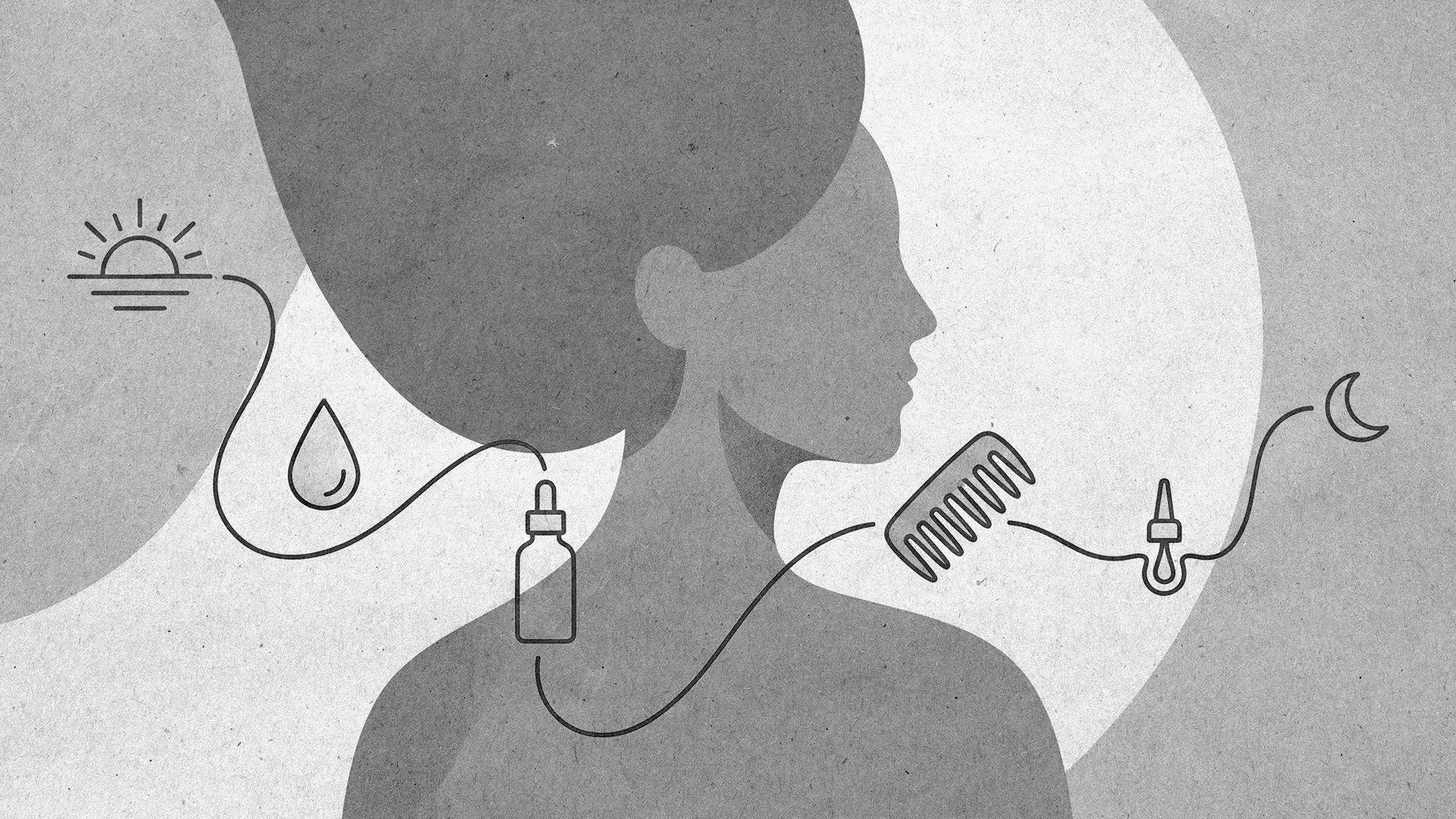
The Full Routine for Thinning Hair (Morning + Night)
If you've noticed your hair thinning, you've probably also noticed the flood of conflicting advice online — a new serum here, a miracle oil there, a supplement promising results in two weeks. The truth is simpler and less exciting: a well-built, consistent hair growth routine for thinning hair is one of the most reliable ways to support your scalp and hair over time.
This guide lays out a complete, realistic routine — morning, night, weekly, and monthly — along with the nutrition and lifestyle habits that back it up. Nothing here promises overnight results, because hair simply doesn't work that way. What it will give you is a clear, sustainable framework you can actually stick to.
Table of Contents
Why Routine Matters More Than Quick Fixes
It's tempting to look for a single product or trick that solves hair thinning. But hair grows in cycles that unfold over months, not days, which means consistency matters more than intensity.
The Hair Cycle Requires Time
Each hair follicle moves through growth (anagen), transition (catagen), and resting (telogen) phases, with the growth phase alone lasting anywhere from two to seven years. Because of this, any change you make to your routine needs to be sustained for at least a few months before you can fairly judge whether it's helping.
Scalp Health Is Foundational
Hair grows out of the scalp, and a scalp that's inflamed, clogged, or imbalanced makes it harder for follicles to function well. A routine built around consistent, gentle scalp care gives your hair the best possible environment to grow in — regardless of what's driving the thinning in the first place.
Healthy Habits Compound Over Time
No single step in a hair care routine works in isolation. Nutrition affects follicle strength, sleep affects hormone regulation, stress affects the hair cycle, and gentle handling affects breakage. A routine works because these small habits reinforce each other, day after day.
If you're still trying to understand what's driving your thinning in the first place, our guide on why hair thins is a good place to start before diving into a routine.
Morning Hair Routine
Mornings set the tone for how your hair is treated for the rest of the day. Here's what a supportive morning routine looks like.
Wake-Up Habits
Before you even touch your hair, a few small habits help:
- Avoid immediately brushing hair aggressively while still half-asleep and rushed
- Check your pillow briefly for shed hairs as a simple, low-effort way to track shedding patterns over time
- Give your scalp a moment to "wake up" rather than jumping straight into styling
Hydration
Drinking water first thing in the morning supports overall cellular function, including in the scalp. While hydration alone won't reverse thinning, chronic dehydration doesn't do your hair any favors either.
Nutrition
Breakfast is a good opportunity to front-load protein, since hair is made almost entirely of a protein called keratin. Eggs, Greek yogurt, or a protein-rich smoothie are simple ways to start the day supporting hair structurally.
Protein Priority
Aim to include a source of protein at each meal, not just breakfast. Consistently low protein intake is one of the more common, correctable contributors to hair thinning.
Sun Protection
Scalp skin is exposed to UV rays just like the rest of your skin, especially for those with thinning hair or a more visible scalp. A hat or scalp-safe SPF spray can help protect against sun damage, particularly during peak midday hours.
Gentle Hair Brushing
Use a wide-tooth comb or soft-bristle brush, working from the ends upward rather than pulling straight through from the root. This reduces unnecessary tension and breakage.
Scalp Care Check-In
Take 10–15 seconds to notice how your scalp feels — itchy, oily, tight, or normal. This quick check-in helps you catch scalp issues early, before they escalate.
Hair Washing
Not every day requires a wash. Most people do well washing 2–3 times per week, though this varies by scalp type (oilier scalps may need more frequent washing, drier scalps less). When you do wash:
- Use lukewarm, not hot, water
- Focus shampoo on the scalp, not just the lengths
- Rinse thoroughly to avoid residue buildup
Choosing the Right Shampoo
Look for a shampoo formulated to cleanse gently without stripping the scalp's natural oils, ideally one designed with scalp health specifically in mind rather than just fragrance or lather. This is where a purpose-built option like the Scalvea Hair Growth Shampoo fits naturally into a morning wash routine.
Evening Hair Routine
Evenings are when a more targeted, deliberate routine pays off — this is typically the best time for active scalp treatments.
Scalp Cleansing (On Wash Days)
If you wash in the evening rather than the morning, the same gentle-cleansing principles apply: lukewarm water, scalp-focused application, and thorough rinsing.
Applying a Hair Growth Serum
After cleansing, while the scalp is clean and more receptive, is an ideal time to apply a targeted serum. Part hair into small sections and apply directly to the scalp rather than just the lengths, since the goal is to support the follicle environment. The Scalvea Hair Growth Serum is designed for exactly this step in a nightly routine.
Scalp Massage
A few minutes of gentle scalp massage — using fingertips in small circular motions — may help support circulation to the scalp. It's also a genuinely relaxing habit that pairs well with winding down for the night.
Stress Reduction Before Bed
Since stress is a well-documented contributor to hair shedding, a short wind-down practice — deep breathing, journaling, or simply stepping away from screens — can help regulate the body's stress response over time. Our guide on stress and hair loss covers this connection in more depth.
Sleep Quality
Deep, consistent sleep supports hormone regulation, which in turn affects the hair growth cycle. Aiming for 7–9 hours of quality sleep is one of the simplest, most overlooked parts of any hair routine.
Night Protection
Friction from cotton pillowcases and tight sleep accessories can contribute to breakage over time. A silk or satin pillowcase, along with avoiding tight hair ties overnight, helps minimize unnecessary strain on the hair shaft.
Weekly Routine
Beyond daily habits, a few weekly touchpoints help maintain momentum.
Scalp Exfoliation
Once a week, a gentle scalp exfoliation (using a dedicated scalp scrub or a soft brush) can help remove buildup that regular shampooing might miss, supporting a cleaner follicle environment.
Deep Cleansing
If you use styling products regularly, a deeper clarifying cleanse once a week can help prevent product buildup from accumulating on the scalp.
Scalp Checks
Set aside a moment each week to look closely at your scalp — checking for flaking, redness, unusual oiliness, or irritation. Catching scalp issues early makes them easier to address.
Lifestyle Review
Use one day a week to honestly assess: Did I get enough sleep this week? Was I under unusual stress? Did I eat reasonably well? These quick check-ins help you connect lifestyle patterns to how your hair and scalp are behaving.
Monthly Routine
Hair changes slowly, which is exactly why a monthly rhythm — rather than daily obsessing — is the right cadence for tracking progress.
Progress Tracking
Once a month, take stock of how your routine is going. Are you actually staying consistent, or has it slipped in the last few weeks?
Photos
Take a photo of your hairline, part, or crown (whichever area concerns you most) from the same angle, in the same lighting, each month. This is far more reliable than relying on memory, since gradual changes are easy to miss day to day.
Hair Density Observations
Beyond photos, simple checks — like ponytail circumference or how much hair collects in your brush over a week — can offer a rough, consistent way to observe trends over time.
Routine Adjustments
Use what you observe to adjust. If a product seems to be causing irritation, scale back. If you've been inconsistent with the evening routine, identify what's making it hard to stick to and simplify.
Foods That Support Healthy Hair
Since hair follicles are metabolically active, nutrition plays a meaningful supporting role.
- Protein: Eggs, poultry, fish, legumes, and Greek yogurt supply the building blocks for keratin production.
- Iron: Red meat, spinach, lentils, and fortified cereals help maintain healthy iron levels, particularly important for menstruating women.
- Vitamin D: Fatty fish, fortified dairy, and sensible sun exposure support vitamin D levels, which play a role in follicle cycling.
- Zinc: Pumpkin seeds, chickpeas, and cashews support tissue growth and repair, including in hair follicles.
- Omega-3 fatty acids: Salmon, walnuts, and flaxseeds may help support scalp health by reducing inflammation.
- Hydration: Water supports every cellular process in the body, including those involved in hair growth.
A varied, balanced diet generally covers these needs; if you suspect a specific deficiency, bloodwork through a doctor is the most reliable way to confirm it.
Lifestyle Habits That Support (or Sabotage) Hair Health
Exercise
Regular movement supports circulation and helps regulate stress hormones, both of which indirectly support a healthy hair growth environment.
Stress Management
Because stress is directly linked to telogen effluvium (a common cause of temporary hair shedding), building in regular stress-reduction habits — whether that's exercise, therapy, or simple daily breathing practices — genuinely matters for hair health.
Sleep
Poor or inconsistent sleep disrupts hormone regulation and the body's repair processes, both of which play into healthy hair growth cycles.
Smoking
Smoking is associated with reduced blood flow to the scalp and increased oxidative stress, both of which can work against healthy follicle function over time.
Alcohol
Excessive alcohol intake can interfere with nutrient absorption, including nutrients relevant to hair health like zinc and B vitamins.
Heat Styling
Frequent high-heat styling weakens the hair shaft over time, increasing breakage that can look like thinning even when follicles themselves are healthy.
Chemical Treatments
Bleaching, relaxing, and other chemical processes alter the hair's protein structure. This doesn't necessarily affect the follicle, but it does make strands more prone to breakage, which compounds the appearance of thinning.
Mistakes That Slow Progress
Watch for these common missteps that can undercut even a well-intentioned routine:
- Expecting visible results within a few weeks instead of months
- Switching products too frequently to fairly judge what's working
- Skipping the scalp entirely and only focusing on hair lengths
- Washing hair inconsistently — either far too often or far too rarely for your scalp type
- Using extremely hot water during washing
- Applying serums to dirty or product-laden scalp
- Brushing wet hair aggressively
- Wearing tight hairstyles daily without variation
- Ignoring persistent scalp itching or flaking
- Not eating enough protein throughout the day
- Chronic under-sleeping
- Letting stress go unmanaged for long periods
- Overusing heat styling tools without protection
- Combining too many active products at once
- Giving up on a routine after a single inconsistent month
- Not tracking progress, making it impossible to know if anything is actually working
Morning vs. Night Routine Checklist
Realistic Routine Timeline
Hair care is slow by nature. Here's what a realistic timeline looks like — without promising specific results.
Week 1: You're building the habit itself. Don't expect visible changes yet; focus on consistency with washing, scalp care, and gentle handling.
Week 4: Habits should start to feel more automatic. Some people notice reduced breakage or a slightly calmer scalp, though this varies widely.
Month 2: If nutritional or lifestyle gaps were contributing to shedding, some stabilization may become noticeable around this point, though hair growth itself is still a slow, ongoing process.
Month 3: This is typically the earliest point where a fair, honest assessment of a routine can be made, since new hair growth is only just becoming visible at the surface for hairs that entered the growth phase early on.
Month 6: For many people, this is when cumulative habits — nutrition, scalp care, and reduced damage — become more apparent in terms of overall hair condition and density, though outcomes vary significantly based on individual causes and consistency.
At every stage, it's worth remembering: this routine is about creating the best possible conditions for your hair and scalp, not guaranteeing a specific outcome.
How Scalp Health Fits Into the Routine
Nearly everything in this guide circles back to one theme: the scalp is the environment your hair grows from, and every habit here — cleansing, massage, protection, nutrition — exists to support that environment.
This is where a scalp-focused product routine can play a genuinely useful, supportive role. The Scalvea Hair Growth Shampoo is formulated to gently cleanse the scalp as part of your regular wash routine, helping remove the buildup and residue that can interfere with a healthy follicle environment. The Scalvea Hair Growth Serum is designed to be applied to a clean scalp, ideally as part of your evening routine, with ingredients selected to support scalp health over consistent, long-term use.
Neither product is a substitute for the broader habits outlined in this guide, and neither is presented as a guaranteed fix. Used consistently alongside good nutrition, stress management, and gentle hair handling, they're designed to support the conditions your scalp needs — not replace the routine itself. If you're also exploring what's driving your thinning specifically, our guides on DHT and hair loss and the best ingredients for hair regrowth are useful next reads.
Myths vs. Facts About Hair Routines
Key Takeaways
- A consistent, realistic routine supports hair health more reliably than chasing quick fixes.
- Morning habits should focus on gentle handling, hydration, protein-forward nutrition, and scalp awareness.
- Evening routines are the ideal time for targeted scalp treatment, massage, and stress-reducing wind-down habits.
- Weekly and monthly check-ins help you track real progress and catch scalp issues early.
- Nutrition, sleep, stress management, and gentle hair handling all meaningfully support the routine's effectiveness.
- Realistic timelines matter — most routines need 3 to 6 months before a fair assessment is possible.
- Products like the Scalvea Hair Growth Shampoo and Scalvea Hair Growth Serum can support a scalp-focused routine, but they work best as part of — not a replacement for — the full picture.
Frequently Asked Questions
1. What is the best hair growth routine for thinning hair? An effective routine combines gentle daily cleansing, a targeted scalp serum, regular scalp massage, balanced nutrition, and consistent sleep and stress management, sustained over several months.
2. How often should I wash thinning hair? Most people benefit from washing 2 to 3 times per week, though this varies by scalp type — oilier scalps may need more frequent washing, and drier scalps less.
3. Should I apply hair serum in the morning or at night? Applying a scalp serum at night, after cleansing, allows it to stay on the scalp undisturbed while you sleep, which many routines are built around.
4. How long does it take to see results from a hair care routine? Because hair grows in multi-month cycles, most routines require at least 3 to 6 months of consistency before a fair assessment can be made.
5. Can scalp massage really help with hair thinning? Scalp massage may help support circulation to the scalp, and while it's not a standalone cure, it's a reasonable, low-risk addition to a broader routine.
6. What should a morning hair routine include? A supportive morning routine typically includes hydration, protein-rich nutrition, gentle brushing, scalp protection from sun exposure, and mindful washing when needed.
7. What should a night hair routine include? An evening routine typically includes scalp cleansing (if washing that day), applying a targeted serum, scalp massage, stress-reducing wind-down habits, and protective sleep habits like a silk pillowcase.
8. Does diet really affect hair thinning? Yes, nutritional gaps in protein, iron, vitamin D, and zinc are commonly linked to increased shedding, making balanced nutrition a meaningful part of any routine.
9. Can stress management actually improve hair health? Since stress is linked to a temporary form of hair shedding called telogen effluvium, managing stress can help reduce this particular contributor to thinning.
10. How do I know if my hair routine is working? Tracking monthly photos, ponytail circumference, or general shedding patterns over a period of several months is a more reliable way to assess progress than daily observation.
11. Is it bad to change hair products frequently? Yes, switching products too often makes it difficult to know what's actually helping or causing irritation, and can disrupt your scalp's ability to adjust to a new routine.
12. Does sleep really affect hair growth? Yes, sleep quality plays a role in hormone regulation and the body's repair processes, both of which are connected to healthy hair growth cycles.
13. Can a hair growth shampoo alone fix thinning hair? A shampoo can support scalp cleanliness, but it's most effective as part of a fuller routine that includes nutrition, lifestyle habits, and targeted scalp treatment.
14. Is scalp exfoliation necessary? Weekly scalp exfoliation can help remove buildup that regular shampooing may miss, supporting a cleaner environment for hair follicles.
15. How does heat styling affect a hair growth routine? Frequent high-heat styling can weaken hair strands and increase breakage, which can undermine the results of an otherwise consistent routine.
16. What's a realistic timeline for noticing changes in thinning hair? Most people shouldn't expect meaningful observations before the 3-month mark, with more noticeable trends often emerging closer to 6 months of consistent care.
17. Should I track my hair progress with photos? Yes, monthly photos taken from the same angle and lighting are one of the most reliable ways to notice gradual changes that are easy to miss day to day.
18. Can lifestyle habits like smoking and alcohol affect hair thinning? Yes, smoking is linked to reduced scalp blood flow, and excessive alcohol can interfere with nutrient absorption, both of which can work against hair health.
19. Do I need different routines for morning and night? Yes, mornings are better suited for protective and preparatory habits, while nights are ideal for targeted treatment, massage, and repair-focused care.
20. When should I see a dermatologist instead of just following a routine? If thinning is sudden, patchy, or accompanied by scalp irritation, or if there's no improvement after 6 months of consistent care, it's worth consulting a dermatologist for a proper evaluation.
This article is for informational purposes and is not a substitute for professional medical advice. If you're concerned about hair thinning, consult a dermatologist for a proper evaluation.