DHT and Hair Loss, Explained Simply
DHT and Hair Loss, Explained Simply
If you've searched for a DHT blocking shampoo, you've probably already come across the term DHT more times than you can count — usually followed by a lot of confident-sounding claims and not much explanation. DHT is genuinely central to the most common form of hair thinning, but understanding what it actually is, and what a shampoo can realistically do about it, gets lost in the marketing noise.
This guide breaks DHT down in plain language — what it is, why it affects hair follicles, how it plays out differently in men and women, and what the evidence actually says about DHT-blocking shampoos and other supportive ingredients. No exaggerated promises, just a clear picture so you can make an informed decision about your routine.
Table of Contents
What Is DHT?
DHT stands for dihydrotestosterone, a hormone that's chemically related to testosterone but significantly more potent in certain tissues, including hair follicles.
Testosterone
Testosterone is a hormone present in both men and women (though at different levels), playing a role in numerous bodily functions, from muscle development to reproductive health.
5-Alpha Reductase
An enzyme called 5-alpha reductase converts a portion of circulating testosterone into DHT. This enzyme is found throughout the body, including in the skin and hair follicles of the scalp.
Dihydrotestosterone (DHT)
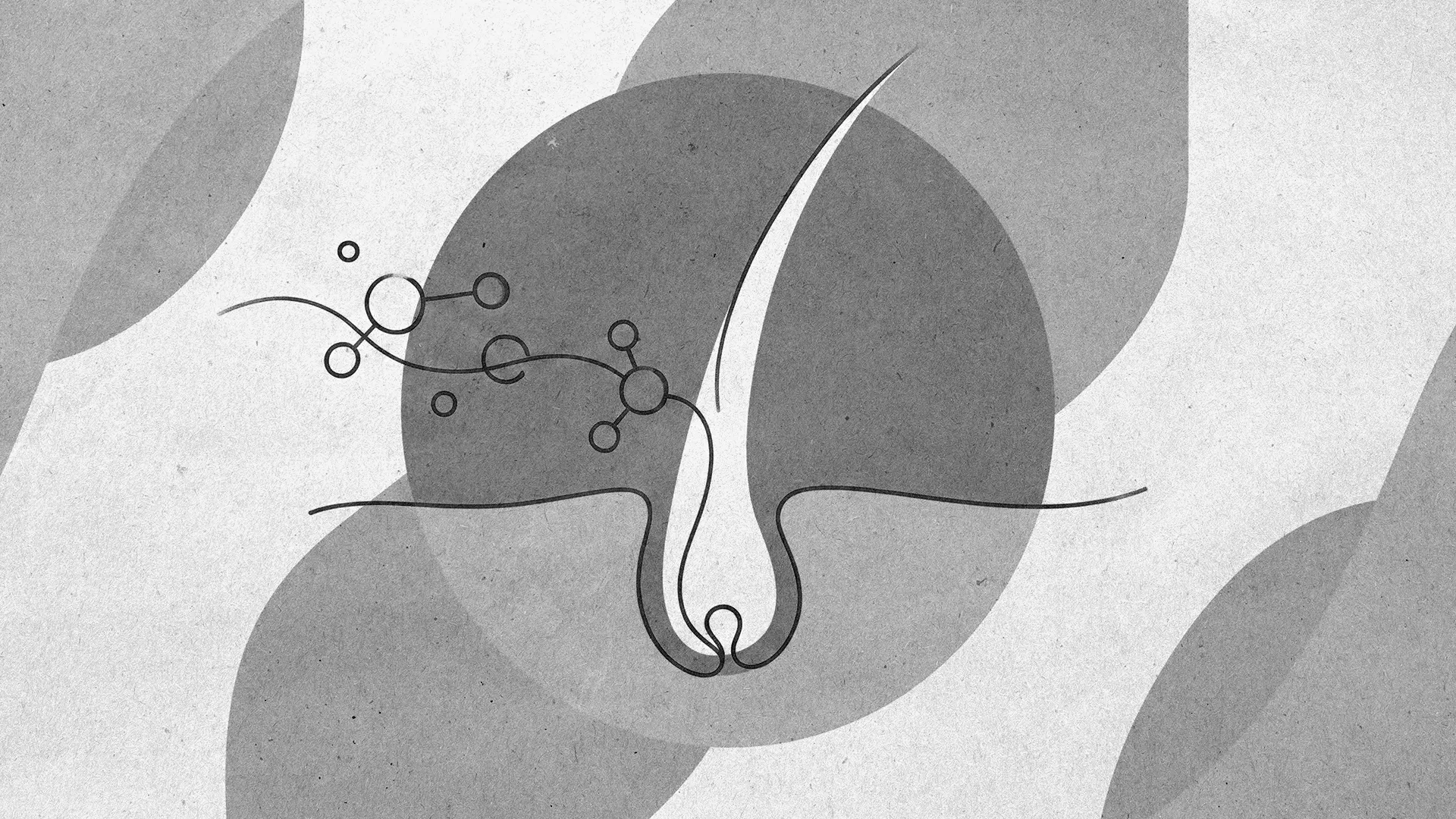
Once formed, DHT binds to androgen receptors in hair follicles far more readily than testosterone itself. In people who are genetically predisposed, this binding is associated with a gradual shrinking of the follicle — a process that, over time, changes how hair grows in that area.
In simple terms: testosterone converts into DHT via an enzyme, and DHT then interacts with sensitive hair follicles in a way that can lead to thinning over time.
Why Does DHT Cause Hair Loss?
Follicle Miniaturization
The central mechanism behind DHT-related hair thinning is called follicle miniaturization. With repeated DHT exposure, affected follicles gradually shrink, producing hairs that are progressively finer, shorter, and lighter in color with each growth cycle — until, in some cases, the follicle stops producing visible hair altogether.
The Hair Growth Cycle
Hair normally cycles through three phases: an active growth phase (anagen) that can last several years, a short transitional phase (catagen), and a resting phase (telogen) before shedding. In DHT-sensitive follicles, the anagen phase progressively shortens with each cycle, while the resting phase takes up relatively more time — resulting in less robust regrowth over the years.
Genetics
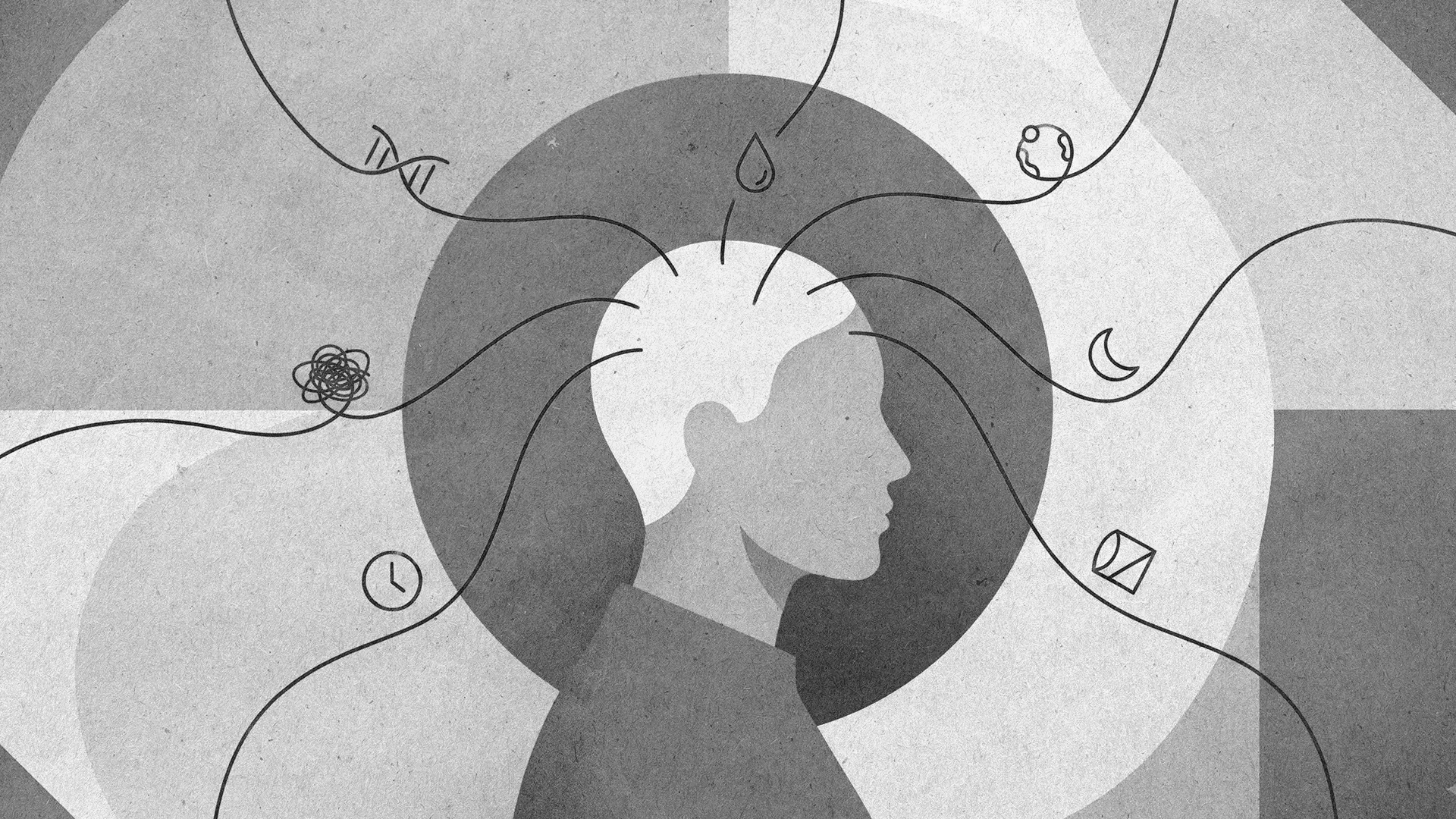
Not everyone's hair follicles respond to DHT the same way. Genetic sensitivity to DHT — inherited from either parent — is what ultimately determines whether someone develops pattern hair loss, and how early it begins. Two people with similar DHT levels can have very different hair outcomes based on this inherited sensitivity.
Hormone Sensitivity
It's a common misconception that hair loss is caused by having "too much" DHT. In most cases, it's not the absolute amount of DHT that matters most, but how sensitive a person's specific hair follicles are to it — which is largely determined by genetics.
Male Pattern Hair Loss
In men, DHT-related thinning — known clinically as androgenetic alopecia — typically follows a recognizable, progressive pattern:
- A receding hairline, often starting at the temples
- Thinning at the crown, which can expand over time
- In more advanced stages, these two areas may connect, leaving a horseshoe-shaped border of hair
This pattern can begin as early as the late teens or twenties, though onset and progression speed vary significantly between individuals.
Female Pattern Hair Loss
In women, androgenetic alopecia tends to look different, and DHT is generally considered one contributing factor among several hormonal influences:
- A gradually widening part line
- Diffuse thinning across the top of the scalp, rather than a receding hairline
- The frontal hairline is typically preserved, distinguishing it from male pattern loss
Because female hair thinning often involves a broader hormonal picture — including estrogen shifts around menopause, PCOS, or thyroid function — DHT is usually just one piece of a more complex puzzle in women. If you're exploring other causes, our guide on why hair thins covers the full picture.
Is DHT Bad?
It's worth being clear here: DHT is not inherently harmful, and demonizing it entirely misrepresents the biology.
DHT plays legitimate, important roles in the body, including during male puberty and reproductive development. The issue isn't that DHT exists — it's that in genetically sensitive hair follicles specifically, DHT is associated with the miniaturization process described above. The same hormone that contributes to hair thinning on the scalp has no such effect on most other tissues in the body.
This distinction matters because it explains why treatments and ingredients aimed at "blocking DHT" are targeted specifically at scalp-level effects, not at eliminating DHT from the body altogether — an approach that would carry far broader hormonal consequences.
What Is a DHT Blocking Shampoo?
A DHT blocking shampoo is a topical product formulated with ingredients believed to interfere with DHT's effects at the scalp level — either by mildly inhibiting the 5-alpha reductase enzyme, supporting a healthier follicle environment, or both.
What Shampoos Can Realistically Do
- Help cleanse the scalp of excess oil and buildup, supporting a healthier follicle environment
- Deliver certain active ingredients directly to the scalp, where some evidence suggests localized benefit
- Support the broader conditions under which hair grows, complementing other parts of a routine
What Shampoos Cannot Realistically Do
- Fully block DHT production throughout the body the way an oral medication might
- Guarantee regrowth in areas where follicles have become fully dormant
- Replace the need for a broader routine, or medical treatment for more advanced hair loss
- Work meaningfully without consistent, long-term use, given how slowly the hair cycle unfolds
Setting realistic expectations matters here: a DHT-blocking shampoo is best understood as one supportive tool within a broader approach, not a standalone solution.
Ingredients Often Used to Support Scalp Health
Several ingredients are commonly included in DHT-focused and scalp-supportive formulations. Here's what the evidence generally suggests for each.
Saw Palmetto
A plant extract studied for its potential to mildly inhibit 5-alpha reductase. Early research suggests modest potential benefit for some individuals with mild-to-moderate thinning, though the evidence base remains considerably smaller than for prescription treatments. For a full breakdown, see our dedicated guide: Does Saw Palmetto Actually Work for Hair Growth?
Caffeine
Some research suggests topical caffeine may help support hair follicle activity and could counteract certain DHT-related effects at the cellular level, though most studies remain relatively small.
Biotin
Involved in keratin production. True biotin deficiency is uncommon, but it's frequently included in hair care formulations to support general hair structure.
Peptides
Certain peptides are studied for their potential to support the scalp environment and hair strand integrity, often used alongside other actives rather than as a standalone ingredient.
Niacinamide
Primarily known for supporting skin barrier function, niacinamide is also used in scalp care formulations to help support a more balanced, healthy scalp.
Ketoconazole
An antifungal ingredient sometimes included in scalp-focused shampoos; some research suggests it may have mild independent effects on hair growth, possibly related to reducing scalp inflammation, in addition to its antifungal properties.
Piroctone Olamine
Commonly used to help manage scalp flaking and microbial balance, supporting overall scalp health as part of a broader routine, particularly for those with oily or flake-prone scalps.
Can DHT-Related Hair Loss Be Slowed?
While DHT sensitivity is genetic and can't be changed, its visible progression can often be supported and, in some cases, slowed through a combination of approaches.
Lifestyle
Regular exercise and stress management support overall hormonal balance, which can indirectly benefit the hair growth environment.
Nutrition
A diet rich in protein, iron, zinc, and healthy fats supports the follicle's ability to function well, even in the presence of DHT sensitivity.
Stress
Chronic stress can compound hair thinning through separate mechanisms (like telogen effluvium), making stress management relevant even for primarily DHT-driven thinning.
Medical Treatments
For more significant concerns, prescription options like finasteride (oral) and minoxidil (topical) have considerably stronger clinical evidence behind them than over-the-counter ingredients, and are worth discussing with a dermatologist.
Scalp Care
Keeping the scalp clean, balanced, and free of excess inflammation supports the healthiest possible environment for hair, regardless of the underlying cause of thinning.
Healthy Habits
Consistency across nutrition, sleep, stress management, and gentle hair handling compounds over time, supporting hair health more reliably than any single product or ingredient alone.
Building a DHT-Friendly Hair Care Routine
Morning
- Gently detangle hair, avoiding aggressive brushing at the root
- Prioritize a protein-rich breakfast to support keratin production
- Protect the scalp from prolonged sun exposure if hair is visibly thinning
Evening
- Cleanse with a gentle, scalp-focused shampoo on wash days
- Apply a targeted scalp serum to a clean scalp
- Spend a few minutes on gentle scalp massage to support circulation and unwind
Weekly
- Use a clarifying wash if you use styling products regularly, to prevent buildup
- Check your scalp for signs of irritation, flaking, or excess oil
- Reassess styling habits that may be adding unnecessary tension
Monthly
- Take a photo of your hairline, crown, or part from the same angle to track gradual changes
- Reassess your routine's consistency honestly
- Adjust products or habits based on what you're observing
For a more complete, general framework, see our full hair growth routine guide.
Common Mistakes People Make With DHT-Related Hair Loss
- Assuming a shampoo alone can fully stop DHT-driven thinning
- Expecting visible results within a few weeks rather than months
- Ignoring genetics and assuming lifestyle changes alone will reverse the process
- Ordering random supplements without addressing scalp care fundamentals
- Skipping a dermatologist visit despite clear signs of progressive pattern loss
- Using multiple active ingredients at once, making it impossible to track what's helping
- Overwashing or underwashing inconsistently
- Neglecting nutrition while focusing only on topical products
- Giving up on a routine after just a few weeks
- Assuming DHT is the only possible cause without ruling out other contributors
- Using harsh, high-heat styling on already-thinning hair
- Wearing tight hairstyles that add mechanical stress on top of DHT sensitivity
- Believing natural ingredients are automatically risk-free or side-effect-free
- Not tracking progress with photos, making it hard to judge real change
- Delaying any action for years, since earlier intervention generally supports better outcomes than waiting until thinning is advanced
Myths vs. Facts About DHT and Hair Loss
How Different Types of Hair Loss Compare
How Scalvea Supports a Healthy Scalp Routine
Understanding DHT is one part of the picture — supporting your scalp day to day is the other. Since the scalp is the environment every hair follicle depends on, keeping it clean, balanced, and well cared for is relevant regardless of whether DHT, stress, hormones, or nutrition is the primary driver of your thinning.
The Scalvea Hair Growth Shampoo is formulated to gently cleanse the scalp, helping remove the buildup and excess oil that can interfere with a healthy follicle environment. The Scalvea Hair Growth Serum is designed to be applied to a clean scalp, with ingredients selected to support scalp health as part of a consistent, long-term routine.
Neither product is presented as a cure for DHT-related hair loss or a guarantee of regrowth. They're formulated to support the healthiest possible scalp conditions as one part of a broader, realistic approach — one that also includes nutrition, stress management, gentle hair handling, and, where appropriate, a conversation with a dermatologist. For ingredient-level detail across the category, see our guide to the best ingredients for hair regrowth.
Key Takeaways
- DHT is a hormone derived from testosterone via the 5-alpha reductase enzyme, and it plays a central role in androgenetic alopecia — the most common cause of pattern hair thinning.
- The issue isn't DHT itself, but genetically inherited follicle sensitivity to it, which leads to a gradual process called follicle miniaturization.
- Male and female pattern hair loss present differently, though both can involve DHT sensitivity to varying degrees.
- A DHT-blocking shampoo can support a healthier scalp environment and deliver targeted ingredients, but it cannot fully replicate the effects of prescription treatments or guarantee regrowth.
- Ingredients like saw palmetto, caffeine, and niacinamide have varying levels of supportive evidence and work best as part of a broader, consistent routine.
- Scalp health remains foundational regardless of the underlying cause of thinning, which is why products like the Scalvea Hair Growth Shampoo and Scalvea Hair Growth Serum are designed to support — not replace — a complete approach to hair care.
Frequently Asked Questions
1. What is DHT and why does it cause hair loss? DHT is a hormone derived from testosterone that, in genetically sensitive hair follicles, is associated with a gradual shrinking process called follicle miniaturization, leading to thinner hair over time.
2. Does a DHT blocking shampoo actually work? DHT blocking shampoos may help support a healthier scalp environment and deliver certain supportive ingredients, but they generally offer more modest effects compared to prescription treatments and work best as part of a broader routine.
3. Can women have DHT-related hair loss? Yes, DHT can contribute to hair thinning in women, though female pattern hair loss usually involves a broader hormonal picture and presents as diffuse thinning rather than a receding hairline.
4. Is high DHT bad for your body? DHT plays legitimate roles in the body, including during puberty and reproductive development; the issue with hair loss is specific to follicle sensitivity, not DHT levels being inherently harmful.
5. How do I know if my hair loss is caused by DHT? A receding hairline or crown thinning in men, or a widening part with diffuse thinning in women — especially with a family history of hair loss — often points toward DHT-related, genetic hair thinning.
6. What ingredients block DHT naturally? Saw palmetto is one of the most commonly cited natural ingredients studied for its potential to mildly inhibit the enzyme that converts testosterone into DHT.
7. Is finasteride more effective than a DHT blocking shampoo? Yes, finasteride has significantly stronger clinical evidence for reducing DHT and slowing hair loss progression compared to topical, over-the-counter DHT-focused ingredients.
8. Can diet lower DHT levels? Diet can support overall hormonal balance, but it's unlikely to meaningfully override genetically driven follicle sensitivity to DHT on its own.
9. Does shaving your head affect DHT sensitivity? No, shaving only affects the visible hair shaft, not the follicle beneath the skin or its underlying hormone sensitivity.
10. Can DHT-related hair loss be reversed completely? Full reversal is uncommon once follicles have become significantly miniaturized, though early, consistent care can often help slow or stabilize progression.
11. What's the difference between male and female pattern hair loss? Male pattern hair loss typically involves a receding hairline and crown thinning, while female pattern hair loss usually presents as diffuse thinning with a widening part and a preserved frontal hairline.
12. Are DHT blocking shampoos safe to use daily? Most are formulated for regular use, but it's worth checking specific product instructions and consulting a dermatologist if you have sensitive skin or other scalp conditions.
13. Can stress make DHT-related hair loss worse? Stress operates through a different mechanism (telogen effluvium) but can compound visible thinning when it occurs alongside existing DHT-related hair loss.
14. Does caffeine in shampoo really help with hair thinning? Some research suggests topical caffeine may support hair follicle activity, though most studies are relatively small and effects tend to be modest.
15. What age does DHT-related hair loss usually start? It can begin as early as the late teens or twenties, though onset timing and progression speed vary significantly based on genetics.
16. Is DHT hair loss hereditary from both parents? Yes, genetic sensitivity to DHT can be inherited from either the maternal or paternal side of the family, not just one or the other.
17. Can a DHT blocking shampoo be combined with a hair growth serum? Yes, many routines combine a gentle, scalp-focused shampoo with a targeted serum applied to a clean scalp as complementary steps.
18. How long before I see results from a DHT-focused routine? Because hair grows in multi-month cycles, most routines require at least 3 to 6 months of consistent use before any fair assessment can be made.
19. Does ketoconazole shampoo help with DHT-related hair loss? Some research suggests ketoconazole may have a mild, independent supportive effect on hair growth, potentially related to reducing scalp inflammation, in addition to its antifungal properties.
20. Should I see a dermatologist for DHT-related hair loss? Yes, especially if thinning is progressing steadily, since a dermatologist can confirm the diagnosis and discuss the full range of treatment options, including those with stronger clinical evidence than over-the-counter products.
This article is for informational purposes and is not a substitute for professional medical advice. Consult a dermatologist to properly diagnose the cause of your hair thinning and discuss appropriate treatment options.